
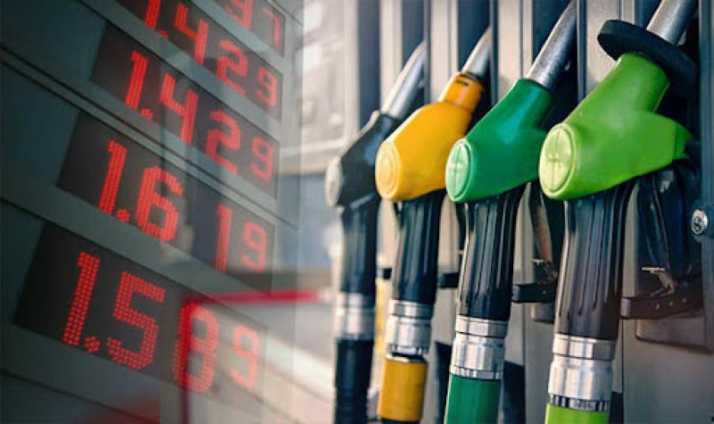

Fuel prices are expected to rise sharply from today, March 16, 2026, following a new outlook released by the Chamber of Oil Marketing Companies (COMAC).
The report indicates that petrol, diesel and liquefied petroleum gas (LPG) will all record notable increases during the second pricing window of March. Petrol is projected to go up by about 16.93 percent, which could push the pump price to around GH¢14.32 per litre. Diesel is also expected to climb by roughly 17.21 percent, with a litre likely selling close to GH¢16.10. LPG prices are similarly projected to increase by about 11.26 percent per kilogram.
If implemented, this will represent the fourth projected fuel price hike since the beginning of 2026, but the first time this year that such substantial increases are expected across the three main petroleum products.
The anticipated price adjustments are largely linked to developments on the international oil market. According to COMAC’s analysis, global crude oil prices have surged in recent weeks due to escalating geopolitical tensions in the Middle East and disruptions along a critical oil shipping corridor, the Strait of Hormuz. The situation has tightened global supply and pushed international petroleum prices significantly higher.
Data from the report shows international diesel prices have jumped by as much as 43 percent, while LPG prices increased by 23.96 percent and petrol by 19.41 percent. At the same time, the price of crude oil rose sharply in mid-March, climbing from about $71.41 per barrel to roughly $86.55.
Meanwhile, the National Petroleum Authority (NPA) has revised the minimum price thresholds for petroleum products for the second half of March, covering the period from March 16 to March 31. Under the new directive, the minimum price for petrol has been increased from GH¢10.46 to GH¢11.57 per litre. Diesel has seen an even steeper adjustment, moving from GH¢11.42 to GH¢14.35 per litre. LPG has also been revised upward from GH¢9.38 to GH¢10.67 per kilogram.
The NPA has instructed all oil marketing companies to adhere to these new price floors in accordance with the Petroleum Products Pricing Guidelines. The Authority clarified that the benchmark figures do not include premiums from international oil trading companies or the operational margins of bulk importers and marketers, which are determined separately by the companies.
With the new benchmarks in place, no oil marketing company will be allowed to sell below the approved minimum prices during this pricing period. Companies currently offering lower pump prices will therefore be required to adjust them upward.
Attention is now turning to the pricing decisions of the two largest players in the market, GOIL PLC and Star Oil Company, whose pump prices often set the tone for the rest of the industry. Ghana currently has more than 200 oil marketing companies operating nationwide.
Source: metrotvonline.com