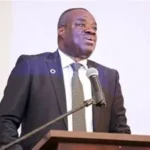


An aspiring National Treasurer of the New Patriotic Party, Alfred Thompson, has criticised the government’s plan to recruit 40,000 people into the security services, describing the pledge as unrealistic and lacking clear funding.
Speaking on Metro TV’s Good Morning Ghana programme, Thompson questioned the credibility of the announcement, arguing that the figures presented do not align with current recruitment progress or the country’s economic capacity.
He noted that although the government has outlined a plan to recruit 40,000 personnel within two and a half years, only 5,000 people are expected to be engaged in the initial phase.
According to him, this raises concerns about whether the broader target can be achieved within the stated timeframe.
Thompson accused the government of raising expectations among job seekers without providing a concrete roadmap.
He said many Ghanaians are struggling and should not be given promises that may not materialise, stressing that employment opportunities are a matter of livelihood, not politics.
He also referenced a past stampede during a security recruitment exercise at the El-Wak Sports Stadium, warning that such incidents emphasize the risks associated with large scale recruitment drives if not properly managed.
Beyond concerns about implementation, Thompson questioned the financial basis of the policy.
He argued that government has not clearly outlined how it intends to fund the recruitment and sustain salaries for tens of thousands of new personnel.
He pointed to existing challenges, including delays in payments to teachers and nurses, as well as rising fuel prices and utility costs, as indicators of fiscal strain.
In his view, these issues cast doubt on the government’s ability to support a major expansion of the security workforce.
Thompson further suggested that the recruitment promise could be politically motivated, warning that mass hiring close to an election period could create future financial difficulties if not properly planned.
He called on the government to provide detailed budgetary provisions and a clear implementation framework, insisting that transparency is necessary to assure the public that the plan is achievable and sustainable.