
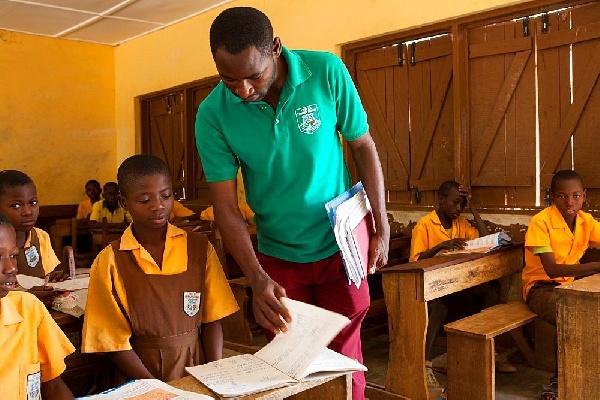

Behind every successful student is a teacher who gives their all, energy, patience, and compassion. But behind that dedication, many teachers in Ghana are quietly struggling. Stress and burnout have become a hidden health crisis in our education system, one that threatens not only the wellbeing of teachers but also the quality of learning across the country.
In staff rooms across Ghana, conversations often reveal a shared frustration. Teachers are juggling overcrowded classrooms, limited resources, administrative burdens, and constant curriculum changes. Many begin their careers full of passion, but over time that passion fades into fatigue. Some stay silent out of duty, others simply leave the profession altogether.
Teaching has always been demanding, but the pressure has grown more intense in recent years. Large class sizes mean less time for personal interaction. New policies are introduced without enough support or training. Teachers spend long hours grading papers, managing behavioral issues, and trying to meet the expectations of parents, administrators, and society, often with very little recognition or encouragement.
The emotional toll is immense. Burnout does not only show itself through exhaustion, it also manifests as frustration, detachment, and a loss of motivation. Many teachers describe feeling invisible, working hard yet constantly overlooked. This silent suffering affects their mental and physical health, leading to headaches, insomnia, and even depression. When teachers reach this point, the entire learning environment suffers.
Research shows that teacher burnout directly affects student performance and classroom engagement. A 2019 study by Madigan and Kim in Teaching and Teacher Education found that high levels of teacher stress significantly reduce instructional quality, student motivation, and academic outcomes. Similarly, the World Health Organization (2020) identified occupational stress among educators as one of the leading contributors to declining learning results in low and middle-income countries. When the people shaping young minds are emotionally drained, the ripple effects extend far beyond the classroom.
Part of the challenge lies in how society views teachers. In Ghana, teaching is often described as a calling, but that label can also be a trap. It implies that teachers should tolerate hardship out of love for the job, even when conditions are unbearable. Passion is important, but passion alone cannot sustain a person. Teachers need respect, fair pay, and supportive environments that recognize the weight of their work.
The Ghana Education Service and Ministry of Education have made efforts to improve teacher welfare through professional development programs and new policies. However, there is still a pressing need for a national conversation about mental health in the education sector. Many teachers have limited access to counseling services or stress management programs. Workplace wellness is still a new concept in most public schools, yet it is desperately needed.
School leaders must also play a role. Simple changes, such as ensuring realistic workloads, encouraging teamwork, and offering emotional support, can make a big difference. When teachers feel valued, they perform better and stay longer. Mentorship programs can help younger teachers navigate the pressures of the job, while regular wellness workshops can help all staff cope with stress before it turns into burnout.
Parents and communities also have a part to play. Instead of placing blame when performance drops, we should recognize the human side of teaching. Teachers are not machines; they are people who carry emotional burdens while trying to inspire others to dream bigger. A little appreciation and empathy from parents, students, and society can go a long way in restoring morale.
Digital technology can also be a lifeline. With Ghana’s growing access to online platforms, schools can introduce digital mental health tools, peer support groups, and self-care resources for teachers. Collaboration with NGOs and private sector partners could help fund and implement these initiatives across districts.
The truth is simple: when teachers are well, students thrive. A teacher’s wellbeing directly shapes the classroom atmosphere. It influences how lessons are delivered, how conflicts are managed, and how creativity is encouraged. Investing in teacher wellness is not a luxury; it is an investment in the nation’s future.
Ghana’s progress depends on the hearts and minds of its educators. They are the architects of tomorrow’s citizens, yet too many are running on empty. We must begin to treat teacher wellness as a matter of national urgency. If we fail to care for the people who care for our children, we risk undermining the very foundation of our education system.
Behind every lesson plan is a person who needs rest, respect, and recognition. It is time to start listening to them.
The author of this piece is Joseph Coffie Selorm Ahiabenu. He is a development communicator and an educationist
Source: metrotvonline.com