
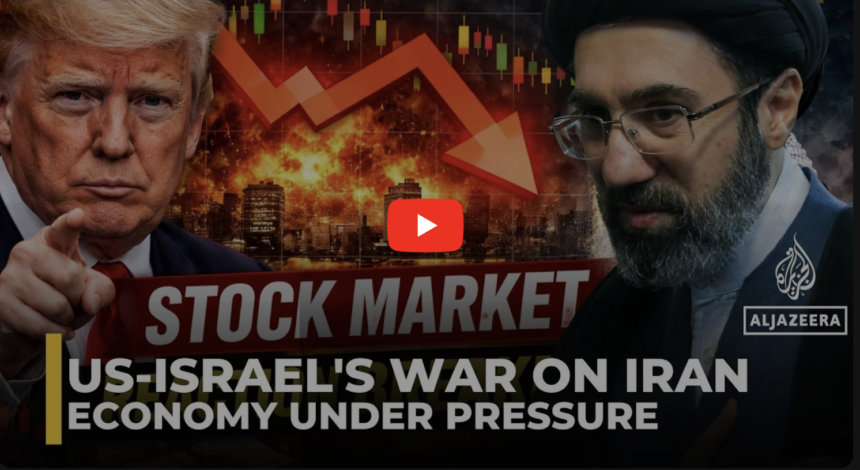

THE global economy is currently staring into the abyss of what experts describe as the most severe energy crisis in history. As oil prices surge past $110 a barrel and major stock indexes tumble into the red for the fourth consecutive week, the ripple effects of the ongoing conflict in the Gulf are no longer just a “Western problem”. While the United States and other advanced economies grapple with domestic inflation, for developing nations and the African continent, this crisis threatens to dismantle years of fragile economic progress.
The International Energy Agency (IEA) has issued a chilling warning: it could take up to six months to restore disrupted oil and gas flows. With markets and politicians accused of underestimating the scale of this disruption, the world is moving from a period of “fiscal tightening” into a season of “survival economics”.
The Inflationary Firestorm
In the United States, a recent Reuters Ipsos poll revealed that 55 percent of households are already feeling the pinch at the fuel pump, with a staggering 87 percent of citizens expecting prices to climb even higher. If the world’s largest economy is shivering, developing nations are set to catch a debilitating pneumonia.
For African countries, the $110-per-barrel price tag on Brent crude is an absolute wrecking ball for national budgets. Most African nations are net importers of refined petroleum. When international prices spike, the cost of transporting food, medicine, and basic goods rises exponentially. In many developing cities, where the “commuter culture” relies on informal transport, a 20 percent hike in fuel costs often translates to a 50 percent increase in bread prices, hitting the most vulnerable who spend the bulk of their income on sustenance.
The Debt Trap Tightens
The crisis is further complicated by the shifting stance of the U.S. Federal Reserve. As inflationary pressures mount, investors are signaling that interest rate cuts are unlikely by the end of 2026. This is a “silent killer” for developing economies.
Higher interest rates in the West strengthen the U.S. Dollar, making the external debt of African nations—often denominated in Dollars—much more expensive to service. Countries like Ghana, already navigating complex debt restructuring and fiscal consolidation, now face a double-edged sword: they must pay more for essential energy imports while simultaneously watching their debt interest payments balloon due to global market volatility.
Governance Under Pressure
Politically, the crisis is forcing leaders into impossible corners. In the U.S., President Trump’s request for a $200 billion war effort comes at a time when the government is partially shut down and citizens are frustrated by the rising cost of living.
In Africa, the stakes are even higher. High energy costs historically correlate with civil unrest. From the streets of Nairobi to the markets of Lagos, the “theatrics of politics” cannot feed a hungry population. If the war in the Gulf extends beyond the predicted five-week window, the resulting “forever war” could lead to regime fragility not just in the Middle East, but across developing nations where the social contract is built on the promise of affordable living.
The Verdict for Africa
Africa finds itself in a precarious position. While the West debates “skinny jeans” and pop-culture distractions, African policymakers are looking at a $110 barrel and wondering how to keep the lights on. The current global energy disruption is a stark reminder that when the “great powers” catch a cold, the developing world faces an existential threat.
The message is clear: the global energy crisis is not merely a market fluctuation; it is a structural shift that demands immediate, honest governance. Anything less will leave the world’s most vulnerable nations paying the ultimate price for a war they did not start and a crisis they cannot afford.