
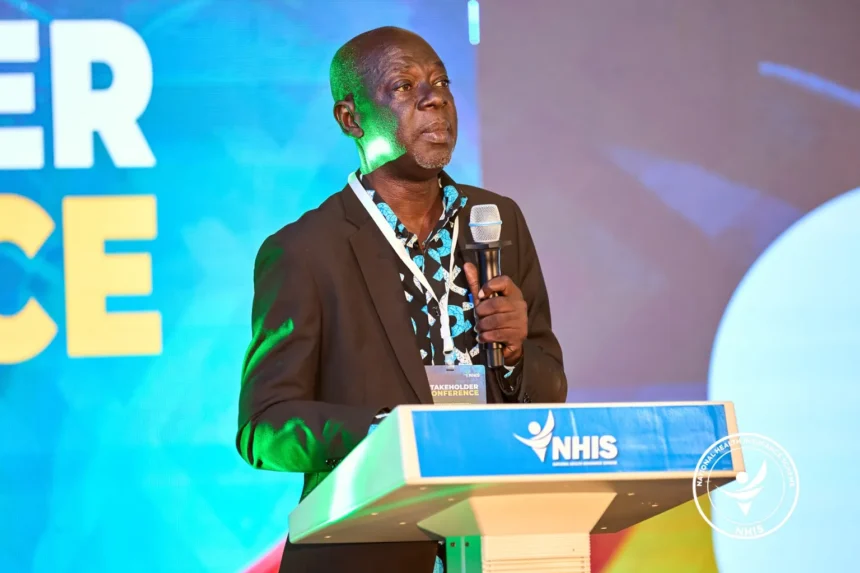

The president of the Renal Patients Association of Ghana, Baffour Kojo Ahenkorah, has warned that the high cost of dialysis is pushing many kidney patients in Ghana into severe financial hardship.
Speaking on the Asaase Breakfast Show on Thursday (12 March) during discussions to mark World Kidney Day, Ahenkorah said living with kidney disease in the country remains extremely difficult.
“It is not something anyone should be proud of,” he said. “The experience is very uncomfortable and financially draining.”
High cost of treatment
Ahenkorah explained that dialysis treatment currently costs about GHS850 per session, with most patients requiring at least two or three sessions each week.
“At the minimum, if you do dialysis twice a week, that is about GHS1,700,” he said.
The cost does not include other essential medical expenses such as injections, blood pressure medication, diabetes drugs or specialised diets required for patients undergoing dialysis.
“You cannot eat anything you want when you are on dialysis,” he said. “Even feeding becomes another challenge.”
A life sustained by dialysis
Ahenkorah, who has been on dialysis for 12 years, said the financial and emotional strain is enormous.
“As I speak to you now, my account is zero,” he said. “Everything is repeated expenses.”
He credited support from the National Health Insurance Authority programme, which covers two dialysis sessions for patients, with helping him survive the past two years.
“Without the support from the National Health Insurance Scheme, I do not know where I would have been,” he said.
Limited dialysis centres
Beyond the cost of treatment, Ahenkorah said the country also faces a shortage of dialysis centres and machines.
“Many patients struggle to get dialysis because the machines are not enough,” he said.
He added that staff shortages in dialysis units further compound the problem.
“The number of patients keeps increasing, but the facilities are not enough to serve everyone,” he said.
Call for organ transplant system
Ahenkorah urged authorities to accelerate plans to establish a national organ and tissue transplant system, which he believes could significantly reduce the burden on dialysis services.
He noted that many organs that could potentially save lives are buried when people die because there is no structured system for harvesting and storing them.
“Someone may die in an accident with healthy kidneys that could help another person,” he said. “But we bury those organs.”
If a functional transplant system is established, he said, many patients could receive kidney transplants and move off dialysis permanently.
“After 12 years on dialysis, I could have received a transplant and lived normally,” he said.
Appeal for prevention
Ahenkorah also urged Ghanaians to adopt healthier lifestyles to reduce their risk of kidney disease.
“Young people should be careful about their lifestyle,” he said. “Eat well, avoid unhealthy habits and go for regular medical check-ups.”
“Some of us wish we could go back and change our lifestyle,” he added. “But for many patients, it is already too late.”
Source: asaaseradio.com