
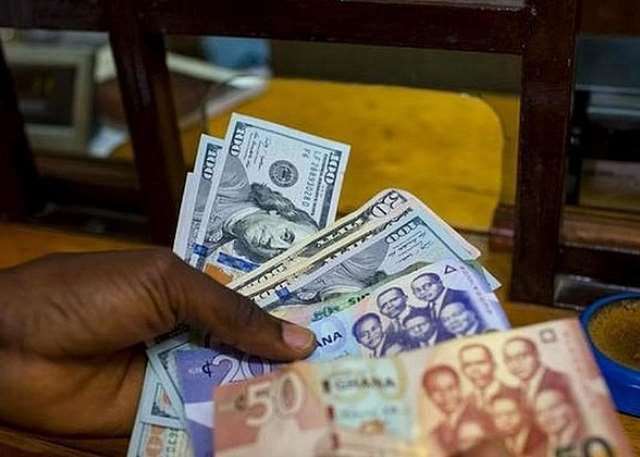

ACCRA — The Ghana cedi has staged a stunning comeback in 2025, appreciating 21% against the US dollar through the first nine months despite wild swings that have kept traders on edge. Trading at about GH¢12.15 per dollar on the interbank market as of mid-September, the local currency has clawed back from January’s lows near GH¢15.50. For a nation long battered by currency depreciation, this shift offers a glimmer of relief amid lingering inflation woes and global headwinds—but experts warn it’s no sure bet for the long haul.
Ghana’s economic saga reads like a cautionary tale of boom and bust. Back in 2022, the cedi was dubbed the world’s weakest currency, shedding over 50% of its value in a year as debt piled up, inflation soared past 50%, and commodity shocks from the Ukraine war hammered exports. Cocoa and gold, which account for nearly half of Ghana’s foreign earnings, saw prices whipsaw, draining reserves and fueling a vicious cycle of imported inflation. By 2023, the government inked a $3 billion IMF bailout, slashing spending and hiking taxes to steady the fiscal ship. Inflation cooled to 23% by late 2024, but the cedi lingered weakly, testing patience in a country where over 40% live below the poverty line.
Enter 2025: Some analysts contests that policy pivot and lucky breaks flipped the script. The rally ignited in April, with the cedi jumping 16% in a month—crowned the globe’s top performer by Bloomberg analysts. By June, year-to-date gains topped 40%, dipping as low as GH¢10.20 to the dollar. Credit the Bank of Ghana’s aggressive moves: It pumped $490 million into forex markets early on and expanded the GoldBod scheme, channeling 20% of gold export dollars back home. With gold hitting $3,400 an ounce on U.S. election jitters and trade tensions, inflows surged 30% year-over-year. A softer dollar—down 10% on the DXY amid Fed rate-cut bets—gave emerging currencies like the cedi extra lift.
Fiscal tweaks under the IMF umbrella helped too. Debt restructuring paused external payments until mid-2025, preserving reserves that ballooned 41% from a year earlier. Cocoa prices stabilized, and formalized mining boosted gold hauls. The payoff? GDP expanded 6.3% in the second quarter, services humming at 9.9% growth, while inflation plunged to 11.5% in August—the lowest in four years. Public debt eased from GH¢727 billion at year’s end 2024 to GH¢613 billion by summer.
Recent Volatility Clouds the Picture
Don’t pop the champagne yet. After a July peak of 40.5% gains, the cedi shed nearly 19% by September, battered by seasonal import rushes for farming and fuel. U.S. jobs data softened, stoking dollar volatility, while domestic speculators tested BoG’s resolve. On social media, frustration bubbled: Exporters decried lost edge in global markets, where a beefier cedi hikes prices for Ghanaian beans and shea butter. Remote freelancers, earning in dollars, saw real incomes shrink.
President John Dramani Mahama, riding high on his “Reset Ghana” platform, touted the progress in a recent address, praising tax overhauls and power grid fixes that curbed blackouts. Rating agency S&P bumped Ghana to B-minus, unlocking cheaper loans and investor interest. Consumers could see gadget and medicine prices dip in coming months as stockpiles turn over.
Still, pitfalls abound. Fitch sees the cedi potentially reverting to GH¢15.50 by year-end if commodity slips or U.S. policy shocks hit. Analysts at the Institute of Economic Affairs urge diversification—manufacturing lags at 11% of GDP, leaving the economy exposed. BoG interventions buy time, but without ramping local output, reserves could dwindle.
Ghana’s at an inflection point. With 4.5% GDP growth eyed for the year and inflation tamed, the cedi appreciation could cement a virtuous cycle—if leaders invest windfalls wisely. As BoG Governor, Dr. Johnson Asiama noted, “This is progress, not paradise.” For now, the street-level vibe mixes guarded hope with hard-won skepticism, a far cry from the despair of yesteryear.