
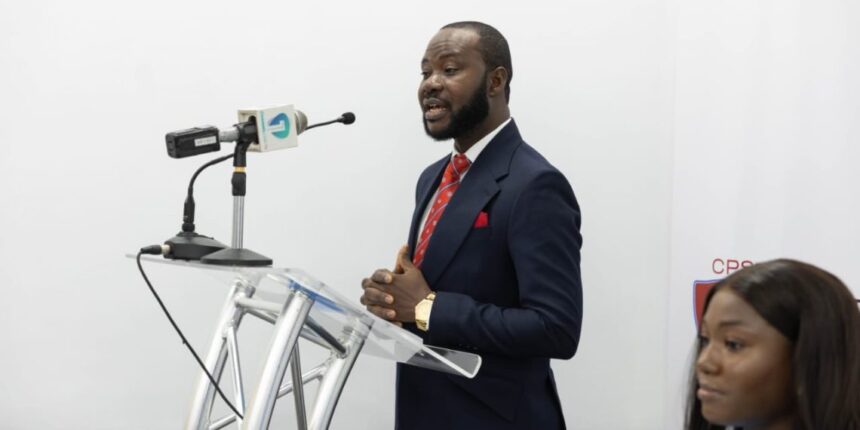

Ghana faces a projected revenue shortfall of GH¢18.15 billion by 2027 from the abolition of the Electronic Transfer Levy (E-Levy) and the COVID-19 Health Recovery Levy, a new study has warned, highlighting the dangers of election-driven tax relief without corresponding spending discipline.
According to analysis by the Centre for Policy Scrutiny (CPS), scrapping the E-Levy will cost the state approximately GH¢8.2 billion cumulatively by 2027, while removal of the COVID-19 levy will add GH¢9.95 billion in lost revenue over the same period. Combined, the measures equate to a significant hole in public finances at a time when fiscal consolidation remains critical.
The findings come barely months after the National Democratic Congress (NDC) government, under President John Dramani Mahama, fulfilled campaign promises by repealing both levies. Parliament approved the repeal of the E-Levy in March 2025, while the COVID-19 Health Recovery Levy Repeal Act was signed into law in December 2025, with effect from January 2026.
The E-Levy, introduced by the previous New Patriotic Party (NPP) administration in 2022 amid post-COVID economic pressures and high debt servicing costs, aimed to broaden the tax base through digital transactions. Though unpopular and initially resisted by the then-opposition NDC, it formed part of efforts to restore fiscal stability after years of elevated deficits. The COVID-19 levy, a 1% charge on goods and services, was similarly designed to support health recovery and infrastructure.
Critics within NPP circles have long argued that such levies, while imperfect, reflected the hard choices required after inheriting weak public finances and navigating global shocks. The NDC, by contrast, consistently portrayed them as burdensome taxes on ordinary Ghanaians and digital innovation, promising swift removal as a populist relief measure during the 2024 campaign.
The CPS study underscores the trade-off: immediate relief for citizens and businesses, particularly mobile money users, but at the expense of funding essential public services, debt repayment, and infrastructure. In 2025 alone, the combined loss is estimated at around GH¢6.4 billion, according to related reports. Government must now identify alternative revenue sources or further tighten expenditure — options complicated by persistent fiscal pressures.
This development tests the NDC administration’s commitment to responsible governance. While tax relief can stimulate private sector activity and consumption when paired with genuine efficiency gains, abrupt abolition without offsetting measures risks widening deficits, undermining investor confidence, and reversing hard-won macroeconomic gains.
The NPP has consistently championed fiscal discipline, private-sector-led growth, and broad-based taxation that minimises distortion while expanding the revenue net. Populist scrapping of targeted levies, absent credible alternatives, echoes past patterns of short-term spending sprees that left Ghana vulnerable to debt distress.
As the government confronts this self-inflicted revenue gap, accountability demands transparent communication on how the shortfall will be bridged — whether through deeper cuts in wasteful expenditure, accelerated state-owned enterprise reforms, or genuine private investment incentives. Ghana cannot afford repeated cycles of fiscal profligacy dressed as relief. Prudent management, not electioneering tax giveaways, remains the surest path to sustainable prosperity and strengthened public finances.