
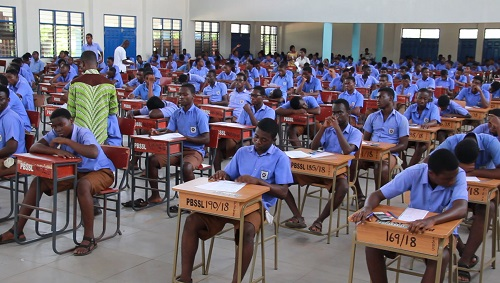

Parliament must initiate an immediate investigation into the unprecedented decline in student performance in the 2025 WASSCE. The explanation that the poor outcomes were caused by stricter invigilation is analytically weak and cannot withstand scrutiny. If this logic is accepted, then an improvement in performance next year would have to be interpreted as weaker examination supervision. This alone shows that the argument is not sustainable and cannot serve as the official explanation for a national event of this magnitude.
These matters must be raised for proper interrogation because uncritically accepting the stricter supervision narrative allows officials to avoid accountability for the real system factors that shape learning outcomes. Once the cause is reduced to a single convenient explanation, no one is required to answer for instructional weaknesses, curriculum pacing, teacher support, school organisation, resource constraints, or leadership failures. This is why a full inquiry is necessary.
Emerging evidence suggests that WAEC adjusted the grading system for the 2025 examination in a manner that significantly raised the effective cut off for several subjects. Reports indicate the introduction of grade quotas that constrained the number of passes available regardless of the actual distribution of student performance. If confirmed, this would mean that many students who under normal grading conditions would have obtained qualifying grades were pushed below the pass threshold. This requires immediate clarification and a transparent release of the grading procedures used this year.
There is also a historical precedent for such restrictive actions. After the 1987 educational reforms, the government introduced the stanine system at the BECE to ensure that no more than sixty percent of candidates obtained the qualifying grades for senior secondary schools. This artificial restriction on progression was justified as a resource management measure, but it had serious implications for access and fairness. The pattern now emerging at the WASSCE level is strikingly similar.
In this context, it is reasonable to question whether tertiary access is being deliberately restricted in order to manage the fiscal implications of the announced no fee paying policy. If the admission pool is reduced through an elevated failure rate, the financial burden on the system is significantly lowered. If this is occurring, it would constitute a serious breach of public trust and an unjust manipulation of assessment outcomes.
For these reasons, parliament must demand full disclosure of the 2025 grading procedures, the statistical models used, the distribution of raw scores, and any directives issued by government or supervisory agencies. A clear national explanation is required, grounded in evidence and transparent analysis. Education policy must be based on transparency and fairness, not on hidden mechanisms that limit opportunity for students.