
Ghana’s agricultural sector has been rattled by two major events in a single week: a sharp cocoa price reduction at home and the tragic killing of seven Ghanaian tomato traders in Burkina Faso.
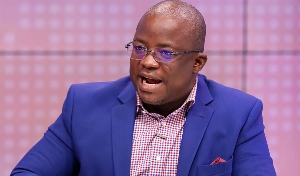
The incidents highlight deep-seated governance, border security, and political trust issues, according to Dr Joshua Jebuntie Zaato, Senior Lecturer in Political Science at the University of Ghana.
Speaking on the Asaase Breakfast Show on Tuesday (17 February), Dr Zaato expressed condolences to the families of the slain traders, noting that they “were just out there working, trying to feed us, trying to put food on the table.”
He questioned why traders had to travel to Burkina Faso when other local markets could have provided alternatives, underscoring broader economic and policy mismatches in Ghana’s agricultural sector.
“The microeconomic indicators may show the economy is doing well — inflation is down, fuel prices are down, interest rates are down — but our farmers are worse off,” Dr Zaato said.
He pointed to cocoa farmers and rice and maize producers across the country who continue to struggle despite favourable national economic statistics.
Dr Zaato also criticised the government for its handling of the cocoa sector, particularly the recent 28.6% price reduction, which he said risks eroding rural trust in state institutions.
“If citizens feel betrayed, especially the most vulnerable like farmers, it undermines trust in government. That trust is vital when the state needs cooperation for national initiatives,” he explained.
On security, Dr Zaato said the attack on Ghanaian traders in Burkina Faso exposed vulnerabilities in cross-border safety and regional stability. While Ghana has invested in border security and intelligence gathering in northern regions, he emphasised the importance of coordination and communication with neighbouring states to protect civilians engaged in legitimate cross-border trade.
“The government of Burkina Faso also has a responsibility to provide safe corridors for traders. Ghanaian tomatoes are a significant source of income and foreign currency. If trade is disrupted, both economies suffer,” he noted.
Dr Zaato concluded that the twin shocks reflect deeper structural weaknesses in governance and agriculture, arguing that “politics is the art of the possible, and governments are elected to do the difficult things, not just the easy ones.”
He called for targeted interventions to protect farmers, secure borders, and restore confidence in state institutions.
Source: asaaseradio.com