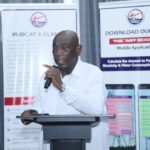


ACCRA — Veteran broadcaster Paul Adom-Otchere has sparked fresh debate on Ghana’s galamsey crisis, questioning the silence of those who previously clamored for a state of emergency to combat illegal mining. In a pointed commentary on his Metro TV show Good Evening Ghana on September 18, 2025, Adom-Otchere challenged the apparent shift in rhetoric from opposition figures and activists now in power, highlighting the disconnect between campaign promises and current governance realities.
“Where are the voices that demanded galamsey state of emergency?” Adom-Otchere asked, directing his query at the ruling National Democratic Congress (NDC) and its supporters. His remarks come amid escalating public frustration over environmental devastation from small-scale illegal mining, which has polluted rivers, destroyed forests, and contaminated water sources across mining regions. Adom-Otchere, known for his incisive political analysis, accused the government of diluting its resolve since assuming office in January 2025, contrasting it with the NDC’s fervent calls for drastic action when in opposition.
The broadcaster’s critique builds on President John Dramani Mahama‘s recent media encounter on September 10, where he expressed reluctance to declare a state of emergency. Mahama argued that existing powers granted to security agencies—through military deployments and task forces—have yet to be fully utilized, and such a move could disrupt gold revenues critical to Ghana’s economy. “We’ve not exhausted the powers we even have without a state of emergency,” the president stated. Adom-Otchere, who earlier defended Mahama’s candor as “speaking the truth,” now questions why advocates like former NDC spokesperson Shamima Muslim—who once backed emergency measures—have gone quiet.
Ghana’s galamsey scourge has intensified under successive administrations, with the activity contributing to a 1.5% annual deforestation rate and over 18,000 premature deaths from related pollution, per World Health Organization estimates. During the 2024 campaign, the NDC positioned itself as the anti-galamsey champion, promising AI surveillance and emergency declarations to reclaim water bodies. Yet, eight months into Mahama’s “Reset Ghana” term, reports of NDC executives allegedly involved in operations have surfaced, fueling accusations of hypocrisy. The Coalition Against Galamsey renewed its emergency plea on September 15, citing “severe environmental and health risks,” but government responses have leaned toward “heavy deployments” rather than sweeping measures.
Adom-Otchere’s query resonates amid broader governance tensions. University Teachers Association of Ghana (UTAG) President Prof. Mamadu Akudugu echoed the sentiment on GHOne TV, noting, “When NDC was in opposition, they agreed that a state of emergency be declared on galamsey, but now it is being rationalized.” Critics like NPP’s Dr. Samuel Afiyie have piled on, accusing the NDC of importing foreign nationals for galamsey and lacking the “passion” shown in opposition.
This isn’t Adom-Otchere’s first foray into the fray. The Good Evening Ghana host, a former National Communications Authority board member, has long critiqued elite capture in politics, from GetFund scandals to judicial overhauls. His support for Mahama’s transparency on galamsey’s economic upside—gold exports up 30% year-over-year—tempered his latest salvo.
Environmental groups and citizens’ coalitions argue that Article 31(9) of the 1992 Constitution justifies an emergency for threats to “essentials of life” like clean water. Lawyer Seth Doe amplified this on X, urging national reckoning: “Every Ghanaian should feel its effect personally.” As military task forces gear up for intensified operations, Adom-Otchere’s question hangs heavy—will the “voices” resurface, or has political expediency silenced the urgency? In a country where galamsey finances elections and sustains rural livelihoods, the path to resolution demands more than rhetoric; it calls for accountability from all sides.