
AGOGO, ASHANTI REGION — Farmers in Asante Akim North District have dismissed circulating reports that the government has bought their tomatoes and onions, leaving their perishable harvests unsold and raising questions about communication gaps in agricultural support initiatives.
The denial comes amid a flurry of claims stemming from social media posts by Ohene Kwame Frimpong, the Member of Parliament for Asante Akim North, also known as OK Frimpong. In one video, Frimpong appealed for urgent government intervention to aid tomato farmers struggling with bumper yields but no buyers. The following day, he released another clip thanking President John Dramani Mahama for reportedly instructing officials to procure the produce.
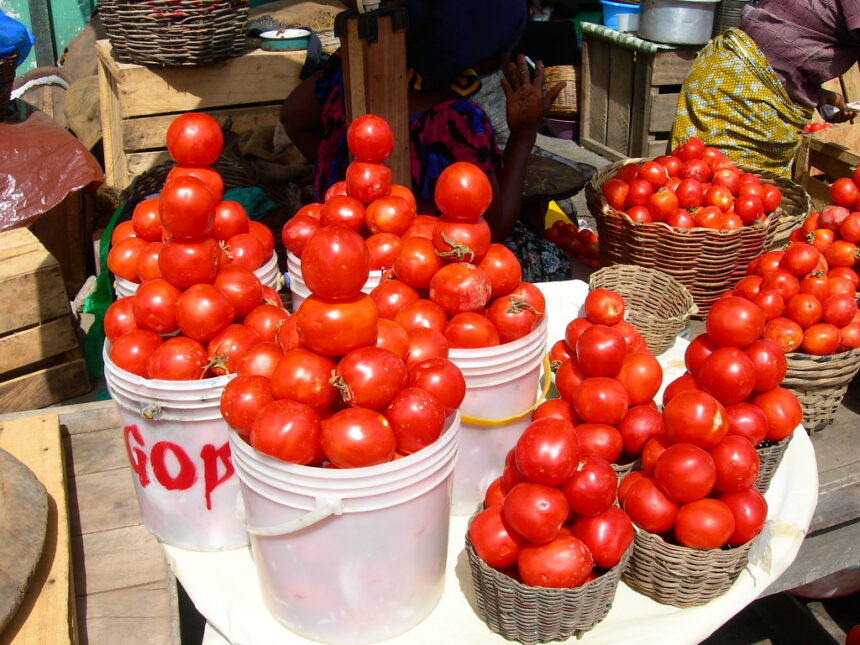
Prince Amoako, the 2024 Best Farmer for Asante Akim North, addressed the confusion in an interview, stating that no government representatives have contacted local growers. “No official has engaged us regarding the purchase of our produce,” Amoako said. He expressed surprise at news of an order for 2,000 bags of onions and 1,000 boxes of tomatoes, quantities that matched reports but lacked any on-the-ground follow-through.
“We heard that the government had ordered the Ministry to come to our aid as farmers since we have harvested a lot of onions, tomatoes, and other farm produce,” Amoako recounted. “It became news all over, but as we speak now, we are yet to hear from those in charge. We are not getting any proper feedback from them, and our produce is still available without buyers.”
Amoako emphasized that farmers remain in limbo, awaiting formal word while their goods risk spoilage. The district, a hub for vegetable cultivation in the Ashanti Region, has seen increased production under recent agricultural programs, but marketing challenges persist, exacerbated by perishable nature of the crops.
Frimpong’s initial plea highlighted the plight of smallholder farmers facing potential heavy losses, a common issue in Ghana’s agriculture sector where oversupply often crashes local prices. Reports suggested President Mahama directed the Ashanti Regional Conference of Heads of Assisted Schools (CHASS), along with matrons and the Ghana Education Service, to acquire the produce for senior high schools under the Feed Ghana Programme. This initiative aims to link local harvests to institutional demand, supporting both food security and farmer incomes.
Yet, farmers like Amoako report no visits from procurement teams, no contracts signed, and no payments received. The discrepancy has fueled frustration, with some questioning the speed of announcements versus actual delivery. “Our produce is rotting in the fields,” Amoako added, underscoring the urgency for reliable markets in rural Ghana.
The Ministry of Food and Agriculture has not commented on the claims, though officials previously touted the Feed Ghana Programme as a tool to stabilize farm incomes. In Asante Akim North, where onion and tomato farming drives livelihoods, such interventions could prevent waste and bolster food supply chains. Earlier appeals from the district, including calls to curb onion imports, reflect ongoing efforts to protect domestic producers.
Frimpong, an independent MP elected in 2024, has positioned himself as a vocal advocate for his constituents’ agricultural needs. His videos, shared widely on platforms like X, amplified the issue but now appear to have outpaced implementation.
As farmers hold out for clarity, the episode highlights broader hurdles in Ghana’s agriculture policy: bridging policy directives with grassroots execution. With harvests peaking, Amoako urged swift action to salvage the season’s output and restore trust in government pledges.