

In a White House moment that crackled with the weight of two years’ anguish, US President Donald Trump lit up Truth Social late Wednesday with words Ghanaians and folks across the globe have longed to hear: Israel and Hamas have locked in the first phase of his bold Gaza peace deal. It’s a fragile flicker of hope amid the rubble—a potential ceasefire that could slam the brakes on a conflict that’s chewed up over 67,000 lives since Hamas’s October 7, 2023, assault sparked Israel’s thunderous reply. For families glued to screens from Tel Aviv to Gaza’s shattered streets, this isn’t just headlines; it’s the ghost of normalcy knocking after endless nights of sirens and loss.
Trump, ever the dealmaker, didn’t mince words in his post: “I am very proud to announce that Israel and Hamas have both signed off on the first Phase of our Peace Plan.” The breakthrough bubbled up from marathon indirect talks in Egypt’s Sharm el-Sheikh, wrapped on the grim second anniversary of the war’s spark. Qatar’s PM office chimed in on X, confirming the sides hashed out “all terms and mechanisms” for this kickoff stage—paving for a war halt, hostage releases, Palestinian prisoner swaps, and a flood of aid into the besieged strip. Hamas echoed the nod, tipping hats to Trump, Qatar, Egypt, and Turkey for steering toward “a definitive end to the war and a complete withdrawal” from Gaza.
To get why this lands like a gut punch of relief, flash back. That fateful October morning in 2023 saw Hamas gunmen storm Israeli border communities, slaughtering 1,200 and snatching 250 hostages—igniting Israel’s ground invasion and airstrikes that leveled swaths of Gaza. What followed was hell: Over 41,000 Palestinians dead by mid-2024 tallies, now cresting 67,000, with famine stalking the north and 90% of homes in ruins. Fleeting ceasefires flickered—a 10-day breather in November 2023, another six weeks later—only to shatter when Israel hit Hamas targets on March 18, 2025. The war’s tendrils snaked out, yanking in Iran, Yemen’s Houthis, and Lebanon’s Hezbollah, turning the Levant into a powder keg and spiking global oil jitters.
Enter Trump’s 20-point blueprint, unveiled last week like a gambler’s ace. Phase one? A tactical timeout: Pause the guns at noon local time Thursday, Israeli troops peeling back to “agreed lines” (details fuzzy, with whispers of holding over half of Gaza for now). In return, Hamas coughs up the 20-odd living hostages—possibly by weekend—plus remains of the fallen, swapped for up to 1,700 Palestinian detainees from Israeli lockups within 72 hours. Aid trucks roll in unchecked, a lifeline for 2.3 million souls teetering on starvation. Israel’s Cabinet huddled Thursday to rubber-stamp it, with PM Benjamin Netanyahu gushing thanks to Trump for the “sacred mission” of hauling hostages home.
Yet, as one Gaza dad cradling his toddler amid Deir el-Balah’s debris told Al Jazeera, jubilation mixes with wariness: “We’ve cheered broken promises before.” UN chief António Guterres called the stakes “higher than ever,” urging full throttle on the deal. Britain’s Keir Starmer and India’s Narendra Modi piled on praise, pushing for no delays. But thorns lurk: Will Hamas disarm as Trump demands? Hand Gaza’s reins to a US-Arab trusteeship? Israel’s far-right voices, like Finance Minister Bezalel Smotrich, gripe with “mixed emotions,” vowing no votes. Phase two—Hamas stepping aside for a transitional council, Trump chairing a “Board of Peace” for rebuilds—hangs in the balance.
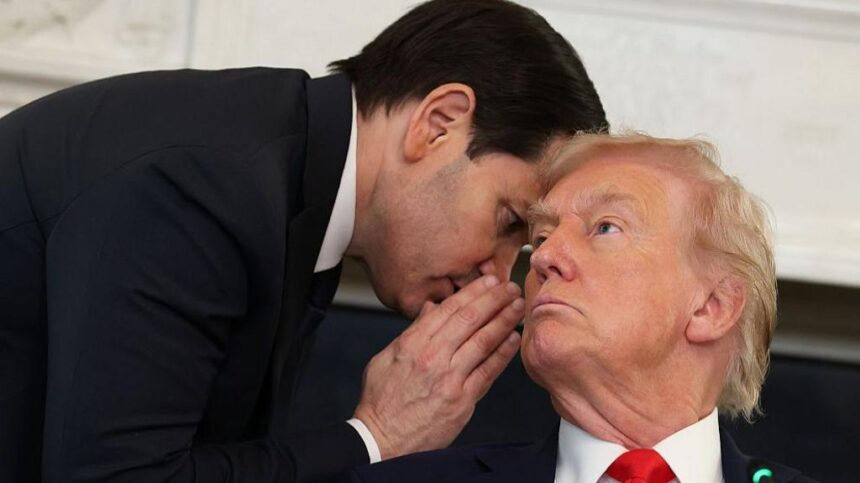
For Trump, it’s a feather in a cap dented by Ukraine stalls and domestic dust-ups. “All Parties will be treated fairly!” he boomed, eyeing a Middle East swing soon. Secretary of State Marco Rubio, whispering cues during a White House huddle, embodies the high-wire act. If it sticks, Gaza’s scars—hospitals as craters, kids orphaned—might scar over. If not, back to the abyss.