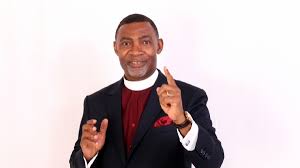

He threatened a march. Now he pleads for calm. Somewhere between Jubilee House and polite appeals, a voice that once roared has learned to whisper.
Rev. Lawrence Tetteh, a familiar figure in Ghana’s religious and public policy space, now finds himself under scrutiny not for what he said, but for how sharply his tone has shifted.
Not long ago, he spoke with urgency that cut through the national conversation. He warned of action. He invoked protest. He placed responsibility squarely on leadership for failing to sign the anti-LGBTQ+ bill.
The language was not vague. It was direct. March to Jubilee House. Public pressure. Moral duty. A sense that delay was not just political hesitation but a failure of conviction.
Then came a different voice.
In a recent public posture, Rev. Tetteh urged Ghanaians not to politicize LGBTQ matters. The same issue that once demanded confrontation now requires restraint. The fire has cooled into caution.
The contrast is difficult to ignore.
On one hand, a cleric ready to lead a physical demonstration against perceived inaction. On the other, a statesman-like figure appealing for national calm, careful not to inflame political tensions around the same issue.
What changed?
Context matters, of course. Rev. Tetteh now holds a role connected to the Sale of State Lands Committee, a position that places him closer to the machinery of government than the pulpit alone ever could.
Proximity has a way of softening edges.
Yet public memory is not so easily adjusted. Ghanaians heard the earlier calls. They saw the urgency. They understood the stakes as framed by him. That record does not fade simply because the tone has shifted.
This is where the discomfort lies.
A religious leader commands moral authority not by perfection, but by consistency. When that consistency fractures, even subtly, it invites questions about motive, pressure, and the quiet influence of power.
To be fair, positions can evolve. Leaders can rethink. Circumstances can demand recalibration. But when evolution happens this quickly and this visibly, it begins to look less like reflection and more like repositioning.
The LGBTQ debate in Ghana remains deeply charged, sitting at the intersection of faith, law, and international scrutiny. Voices within that space carry weight, especially when they claim moral clarity.
That is why Rev. Tetteh’s shift feels heavier than a routine change in tone.
Because it forces a harder question. Was the earlier fire conviction, or was it performance for a moment that required noise?
And now that silence seems safer, which version of the Reverend should the public believe?