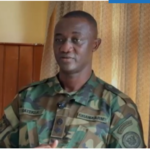


Afenyo-Markin warns Ghana’s democracy is “at the crossroads” one year after election
The Minority Leader and Member of Parliament for Effutu, Alexander Kwamena Afenyo-Markin, has issued a statement warning that Ghana’s democracy is facing a dangerous turning point under the current administration, nearly one year after President John Dramani Mahama’s return to power.
In a statement issued on Sunday December 7, marking the first anniversary of the 2024 general election, Afenyo-Markin accused the government of engaging in “vendetta politics” rather than delivering the transformation it promised Ghanaians.
“Ghanaians voted for change, but are we getting transformation or just retribution?” He asked, “Those who won the people’s mandate inherit not a licence to govern anyhow, but a sacred duty to govern responsibly.”
Afenyo-Markin cited what he described as a troubling pattern of politically motivated dismissals, beginning with mass removals across public institutions, the “unprecedented” removal of the Chief Justice, and ongoing moves affecting the leadership of the Electoral Commission and the Office of the Special Prosecutor.
Afenyo-Markin warned that such actions undermine the independence of state institutions and risk eroding the democratic principles Ghana is known for.
Turning his attention directly to President Mahama, Afenyo-Markin argued that the President’s historic political comeback should have been a catalyst for national transformation, not what he termed “an administration of removals.”
“You achieved something extraordinarily rare in democratic politics,” he said, referencing Mahama’s return to power after losing in 2016. “Such a feat should be profoundly humbling.”
He urged the President to rein in what he called “party hawks” allegedly influencing government actions and jeopardising his legacy.
“They are stealing your legacy, make Ghana’s progress and transformation your agenda, not the agenda of vengeance,” he cautioned.
He also criticised the government for failing to prioritise investment in artificial intelligence, digital infrastructure and innovation—areas he believes are critical to Ghana’s future competitiveness.
“Whilst your government busies itself with the politics of ‘I will show you where power lies,’ other nations are making transformative investments that will determine global leadership for the next century,” he warned.
He accused the government of abandoning the young people who supported its rise to power, creating a volatile environment of frustration and hopelessness.
Afenyo-Markin also acknowledged the New Patriotic Party’s own role in fostering voter dissatisfaction.
“Our own manifestations of arrogance… contributed to the people’s verdict against us,” he conceded, calling for bipartisan introspection.
The Minority Leader urged the media to remain vigilant, describing the press as “democracy’s watchdog,” and encouraged citizens, especially the youth, to maintain faith in democratic processes.