
He once prayed for urgency. Now he asks for honesty. Between those two moments sits a silence that refuses to hide.
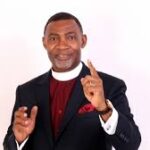
The Presiding Bishop of the Methodist Church Ghana has stepped into a debate many in power now treat like a fragile glass bowl. His message leans on a powerful line from the national anthem, a plea for fearless honesty, and turns it into a quiet challenge to the current administration.
He begins with calm theology, almost disarming in tone. Christ, he reminds, embraced everyone, from lepers to the disgraced, yet never bent doctrine to suit emotion. It is a familiar argument, but he delivers it with restraint, not heat.
On LGBTQI+ matters, his position avoids insult but not clarity. He insists his stance is not condemnatory, yet firmly aligned with scripture. In his view, alternative sexual lifestyles remain inconsistent with biblical teaching, and that position, he stresses, reflects the official doctrine of the Methodist Church Ghana.
Then he reaches back. Not decades ago. Just before the last elections.
He recalls a period when members of today’s administration pushed aggressively for the passage of the anti-LGBTQI+ bill. The pressure was public, persistent, and loud enough to command national attention. It was not whispered politics. It was conviction on display.
One moment stands out in his telling. A public anointing of a leading figure tasked to champion the cause. It blurred the line between politics and spiritual symbolism. For many observers, it signaled seriousness, even urgency, about the bill.
That memory now sits uncomfortably beside the present.
Because the same issue that once stirred passionate advocacy now appears to drift without direction. The sharp rhetoric has softened. The push has slowed. The noise has thinned into what looks like careful avoidance.
The Bishop does not shout betrayal. He asks something more dangerous. What has changed in less than two years?
It is a question that exposes a deeper unease. Political priorities can shift, yes. Realities can intervene. But when leaders speak with moral certainty and then retreat into caution, the public begins to notice the gap between words and action.
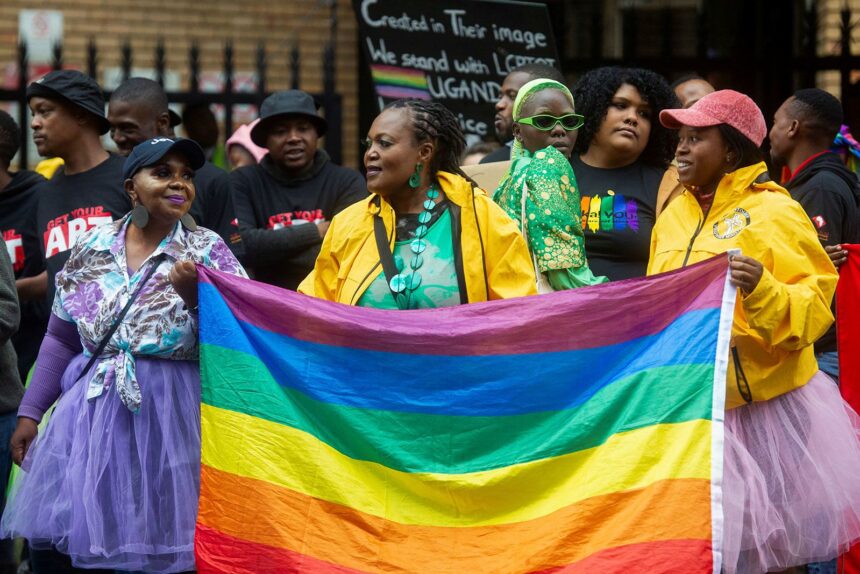
Ghana’s LGBTQI+ debate remains deeply divided. Religious institutions hold firmly to doctrine. Rights groups push back with arguments grounded in law and personal freedom. The state, caught between these forces, now appears less decisive than it once claimed to be.
The Bishop’s concern moves beyond doctrine into trust. If urgency can evaporate this quickly, what does that say about the promises that carried it?
He offers no dramatic conclusion. Just a quiet warning wrapped in hope. That what was once said with passion was not merely performance for a political season.
Because fearless honesty, the very thing sung with pride across the nation, has a way of exposing those who only borrowed it for applause.