
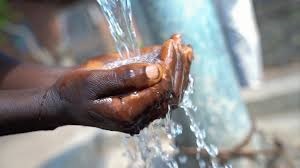

ACCRA, Ghana — Awula Serwah, coordinator of the environmental advocacy group Eco-Conscious Citizens, has voiced urgent concerns over the safety of tap water supplied by the Ghana Water Company Limited (GWCL), urging the utility to provide full disclosure to consumers even as it grapples with severe pollution from illegal mining activities.
Serwah’s remarks come amid escalating public anxiety about water contamination, exacerbated by rampant galamsey—small-scale illegal gold mining—that has poisoned major rivers and reservoirs across the country. “Clarity does not mean safety,” she stressed, warning that while GWCL may treat water to make it appear clean, underlying toxins like mercury and arsenic from mining runoff could pose long-term health risks, including neurological damage and cancer.
The activist’s call highlights a deepening crisis in Ghana’s water sector, where galamsey has devastated sources such as the Pra, Ankobra, and Densu rivers, forcing GWCL to divert billions of cedis toward advanced treatment processes. Just last week, the company announced plans for a 280% tariff hike to cover these costs, a move Serwah supported if it awakens public resolve against environmental destruction. “If increasing tariffs will make Ghanaians sit up, so be it,” she said in a recent interview, adding that the nation risks importing water if the mining scourge isn’t halted.
Eco-Conscious Citizens, founded by Serwah—a lawyer and vocal environmentalist—has long campaigned against galamsey’s toll on ecosystems. The group has pushed for a state of emergency on polluted water bodies, the repeal of lax mining regulations like L.I. 2462, and a moratorium on small-scale operations to allow cleanup efforts. In January, during the launch of their Green Manifesto, Serwah spotlighted how mining contamination was driving up treatment expenses for water firms, urging Ghanaians to demand accountability before the crisis spirals further.
GWCL, which supplies water to over 70% of urban Ghana, has repeatedly cited galamsey as the primary culprit behind supply disruptions and quality issues. In the Central Region, recent shortages left communities without potable water for days, prompting emergency interventions. The company’s CEO, Dr. Clifford Braimah, acknowledged in a statement that pollution levels have surged, with some treatment plants operating at 200% capacity to filter out sediments and chemicals. Yet, GWCL has faced criticism for limited public communication on testing results, fueling suspicions of downplaying risks.
Serwah’s advocacy aligns with broader national debates on environmental governance. Ghana, Africa’s second-largest gold producer, loses an estimated $2 billion annually to illegal mining, according to the Environmental Protection Agency, while health experts warn of rising waterborne diseases. Civil society groups, including Food Sovereignty Ghana, have echoed her demands, calling for independent audits of water quality and stricter enforcement against miners.
The push for transparency gains urgency as the government, under President John Dramani Mahama, vows renewed action against galamsey following his party’s electoral victory. Mahama has pledged to prioritize water security, but activists like Serwah remain skeptical, pointing to past unfulfilled promises. “We will not die if we don’t have gold, but we will die without water,” she declared recently, encapsulating the stakes.
As tariffs rise and pollution persists, consumers in Accra and beyond are turning to bottled water, straining household budgets and plastic waste streams. Serwah called on GWCL to publish regular, accessible reports on contaminant levels, emphasizing that “the public has a right to know what’s in their taps.” Without such openness, she warned, trust in the utility—and Ghana’s ability to safeguard its most vital resource—will erode further.
GWCL has yet to respond directly to Serwah’s latest comments, but officials indicated ongoing collaborations with regulators to enhance monitoring. For Eco-Conscious Citizens, the fight is far from over: they plan community sensitization drives to empower citizens in holding polluters accountable.
Keywords: Ghana water quality concerns, Awula Serwah Eco-Conscious Citizens, GWCL transparency, galamsey water pollution, Ghana illegal mining impact