
Former Finance Minister Dr. Mohammed Amin Adam has warned that systematic under-execution of the 2025 budget has severely crippled government machinery, starved ministries of operational funds, and triggered the accumulation of arrears despite official claims of fiscal discipline.
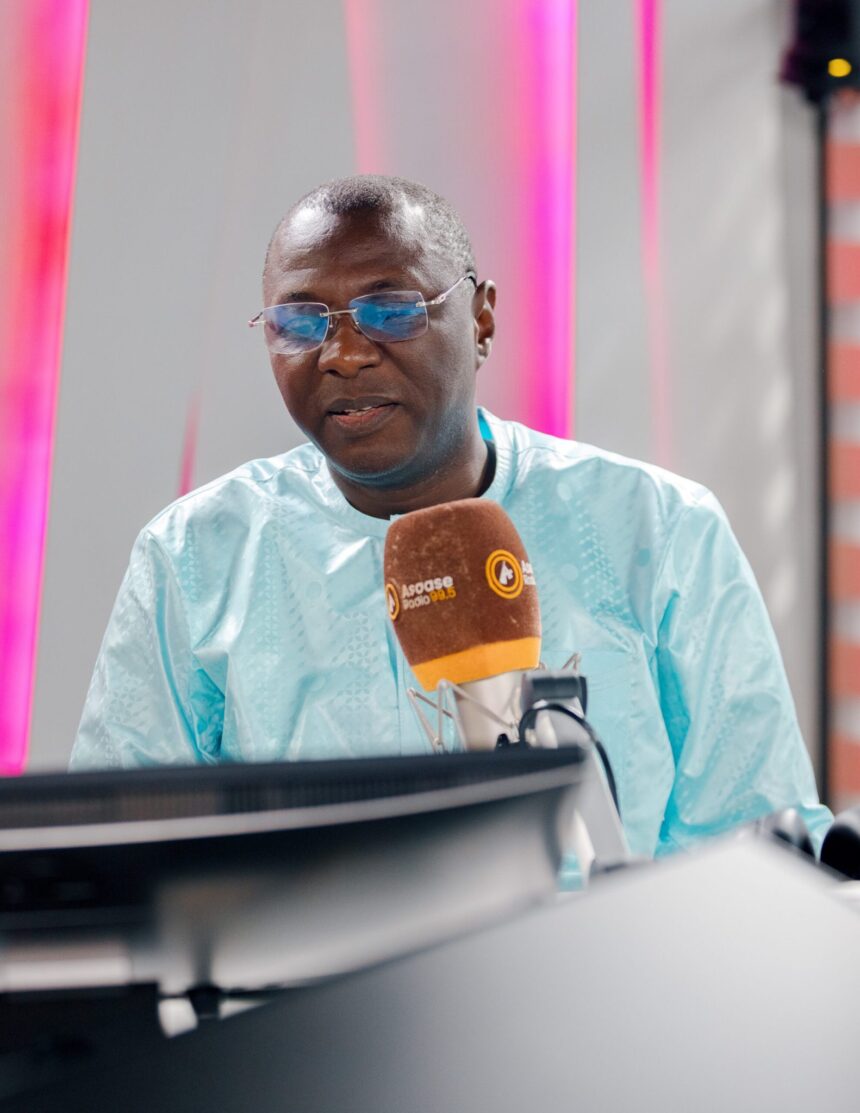
Speaking on the Asaase Breakfast Show on Tuesday (18 November), he said the 2025 fiscal year has been characterised by massive shortfalls in capital expenditure and goods-and-services releases, leaving contractors unpaid, essential programmes abandoned, and economic growth stagnant.
Capital spending cut by 66%
According to Dr. Adam, the government allocated GH¢32 billion for capital expenditure for the year—but released only GHC11 billion.
“That is just 34% of the allocation,” he said. “If you implement only 34% of your budget, can you say you have implemented the budget? You have not. And this is why the economy cannot grow.”
He warned that reducing capital investment from 1.5% of GDP (as budgeted) to 0.5% of GDP (as actually implemented) has already cost the economy jobs, productivity, and projected tax revenues.
Goods and services slashed by nearly half
Dr. Adam explained that ministries, departments and agencies have been unable to function properly because funds for operational inputs—fuel, stationery, basic consumables—were not released.
“You projected to spend GHC6.7 billion on goods and services. Only GHC3.8 billion was released,” he said. “How do you expect MDAs to run? Workers are being paid every month but are not given the tools to work with.”
He stressed that this represents fiscal indiscipline, not fiscal discipline, because it creates a distorted primary surplus achieved through cuts rather than efficient management.
“How do you generate revenue when you don’t create growth?” he asked. “This is symptomatic of a failing budget.”
Implementation delays reveal systemic failures
He pointed to several examples to illustrate the government’s implementation challenges:
Nkuku Nkiti Nkiti Livestock Programme — budgeted in March 2025 but only launched in November, too late to impact growth or poverty reduction.
National CODES Programme — allocated GHC100 million in 2025 but not implemented, yet reappears in the 2026 budget.
Women’s Development Bank — initial GHC50 million allocation “deceptive” and insufficient to establish a bank; also not implemented.
Big Push infrastructure programme — only GHC7.6 billion authorised out of GHC13 billion budgeted.
He warned that timing failures—such as distributing one-day-old chicks during the harmattan season—risk rendering programmes ineffective.
A year of inactivity
Dr. Adam concluded that the failure to release funds, implement priority programmes, or pay contractors has left the economy stagnant.
“The Ghanaian people are feeling the real economy,” he said. “It is not the cosmetics we see on paper. This year has been a year of inactivity.”
Source: asaaseradio.com