
A fresh storm is brewing in Ghana’s labour space after Angel Agbe Carbonu launched a scathing attack on what he describes as an unfair and politically gifted privilege for elite public servants.
The former leader of the National Association of Graduate Teachers (NAGRAT) did not mince words in a viral video, accusing successive governments since the Fourth Republic of Ghana of creating a “dangerous inequality” by allowing certain top officials to retire on their full salaries.
In a blunt critique, Carbonu questioned the logic of a system where high-ranking judges, military officers, and senior security officials continue to earn monthly salaries after retirement—while ordinary workers struggle under a contributory pension system.
“Who does that?” he asked repeatedly, suggesting that Ghana may be an outlier globally.
At the center of the controversy is the Three-Tier Pension Scheme, designed to ensure fairness through contributions from both workers and government. Carbonu argued that exempting elite officials from this system not only undermines its credibility but also signals a lack of confidence in the very policy government introduced.
“If the pension scheme is good, why are some people too ‘special’ to join it?” he fired.
He further described the arrangement as a direct contributor to Ghana’s ballooning wage bill, accusing government of “paying people who are not working as if they are still on duty”—a situation he says is both economically reckless and morally indefensible.
Even more controversial was his claim that this policy was never demanded by labour unions but was instead “gifted” by political leaders to a select few for “reasons Ghanaians do not know.”
Carbonu also revealed that attempts by the Fair Wages and Salaries Commission to challenge the system were allegedly blocked by political interference, raising questions about transparency and accountability at the highest levels of government.
Critics say his comments could inflame tensions between different categories of public sector workers, especially as calls for salary increases and better conditions intensify.
But supporters argue he has simply voiced what many consider an uncomfortable truth: that Ghana’s public sector is deeply unequal, with benefits skewed heavily in favor of the powerful.
As debate intensifies, one question lingers—if all public servants demanded to retire on full salary, could the state survive the cost?
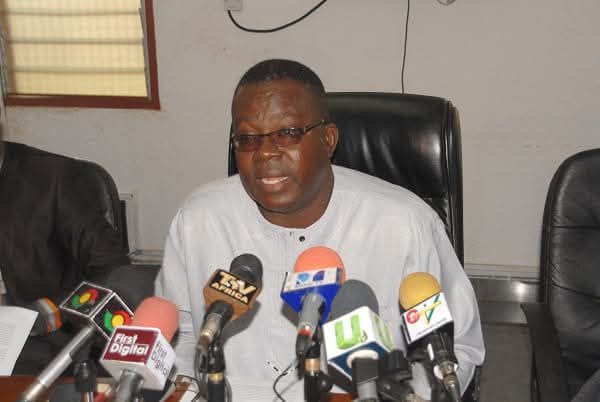
Former NAGRAT President Blasts Ghana’s ‘Retire-on-Full-Salary’ System

Disclaimer: The content published on this website is for informational purposes only. The views, opinions, and positions expressed by individual authors or contributors are theirs alone and do not necessarily reflect those of [patriotnewsonline.com]. While every effort is made to ensure accuracy, [patriotnewsonline.com] does not assume any responsibility or liability for any errors, omissions, or outcomes resulting from the use of this information. Readers are advised to verify facts independently and seek professional advice where necessary.


Leave a Comment
