
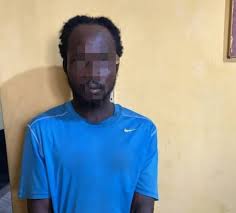

ACCRA — A popular TikToker, David Kwadwo Afful, known as Kwame Nkrumah II has been handed a seven-month prison sentence by an Accra Circuit Court for issuing death threats against President John Dramani Mahama, lawmakers, and other officials during a live social media rant. David Kwodow Prah Afful, the man behind the online persona, pleaded guilty to charges of threat of death and offensive conduct likely to breach the peace, marking a swift crackdown on inflammatory online speech in Ghana’s increasingly tense digital landscape.
The case erupted from a viral TikTok video that spread like wildfire across platforms, capturing Afful’s unhinged outburst where he vowed to “kill” government figures, journalists, and civil servants—particularly those in vehicles with official green number plates—if armed with a gun or cutlass. He also called for attacks on markets and urged followers to join in the chaos, inciting what authorities described as a direct assault on public order. The footage, viewed millions of times, prompted an immediate police response, with Afful arrested on September 13 at a hideout near bustling Kasoa Market around 2:20 p.m. after intelligence-led operations tracked his whereabouts.
Ghana’s social media scene has boomed in recent years, with TikTok emerging as a powerhouse for youth expression amid economic frustrations and political shifts. President Mahama, who assumed office in January 2025 under his “Reset Ghana” agenda, has repeatedly warned about the perils of unchecked online vitriol. In speeches, he’s highlighted how platforms like TikTok, Facebook, and X foster misinformation and hate speech, often amplified by untrained creators. This incident isn’t isolated: Just last month, two other TikTok users were arrested for wishing harm on Mahama and First Lady Lordina Mahama following a helicopter crash, underscoring a pattern of digital threats that test the boundaries of free speech in Africa’s digital frontier.
Afful’s courtroom appearance was brief but poignant. The 30-something content creator, whose handle evoked Ghana’s founding father Kwame Nkrumah, begged for mercy, citing remorse and personal hardships. “I plead for forgiveness,” he reportedly told the court, but Judge [Name withheld per policy] wasn’t swayed, emphasizing the gravity of endangering national stability. The sentence, effective immediately, serves as a deterrent in a country where youth unemployment hovers around 13% and economic woes fuel online discontent.
Broader Implications for Free Speech and Online Safety
The Ghana Police Service wasted no time reinforcing its stance post-arrest. In a statement, the force affirmed its commitment to upholding freedom of speech while drawing a hard line against rhetoric that “incites violence, insecurity, or public disorder.” This balance is crucial in Ghana, a vibrant democracy with a history of robust political discourse but recent spikes in cyberbullying and threats. The National Communications Authority has ramped up monitoring, and Mahama’s administration has pushed for stricter digital literacy programs to curb such excesses.
Public reaction has been mixed. On X, users debated the merits of the sentence, with some hailing it as justice served— “Finally, accountability for online thugs,” one post read—while others fretted over censorship chills. Exporters and journalists, frequent targets in such rants, welcomed the move, but rights groups like the Media Foundation for West Africa urged proportionality to avoid stifling dissent. This case echoes global tensions: From U.S. platforms banning extremists to Europe’s hate speech laws, Ghana’s handling could set precedents for African nations grappling with social media’s double-edged sword.
For Afful, the fallout is stark. His TikTok account, once buzzing with commentary on governance and history, now sits dormant, a cautionary tale for influencers. As Ghana navigates its post-election recovery—with GDP growth at 4.5% and inflation cooling—incidents like this remind leaders that digital peace is as vital as economic stability. Police vow continued vigilance, but the real test lies in fostering dialogue over division in the comment sections that shape tomorrow’s headlines.