

As Ghana’s political conversation slowly turns to the future, former Minister for Energy Dr Matthew Opoku Prempeh has raised a question many parties quietly struggle with, should elections be about novelty or about names voters already trust.
Speaking on Asempa FM in Accra, Dr Prempeh argued that history suggests familiarity often wins, especially in presidential contests under the Fourth Republic.
“Ghanaians do not usually hand over power to strangers,” he said. “They first want to know you, watch you, and test you.”
He supported his point with examples from Ghana’s electoral past, noting that several former presidents did not succeed at their first attempt.
“Professor Adu Boahen, President Kufuor, President Mills, President Mahama, all of them went through more than one election before winning,” he stated.
According to Dr Prempeh, this pattern makes a strong case for candidates who have already spent years in the public eye, absorbing criticism and building recognition.
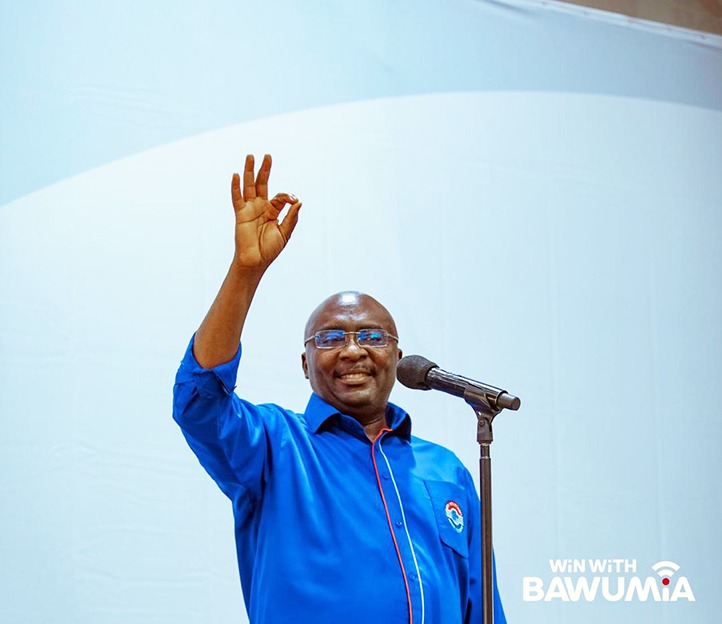
In this context, he said former Vice President Dr Mahamudu Bawumia stands in a different position from many of his peers.
“For sixteen years, Bawumia has been on the ballot, either as a running mate or as Vice President. Voters already know his strengths and his weaknesses,” he said.
Dr Prempeh argued that this long exposure is often misunderstood as fatigue, when in reality it reduces uncertainty for voters.
“In elections, uncertainty is dangerous. People fear what they do not know,” he said.
He acknowledged that some voters and party activists continue to call for fresh faces, arguing that new candidates can energise the electorate and reset public expectations.
“That argument is not wrong,” Dr Prempeh admitted. “New faces bring excitement.”
However, he cautioned that excitement alone does not always translate into electoral success.
“An election is not a rally. It is a serious decision about who manages the state,” he said.
He also pointed to Dr Bawumia’s time in government, noting that years of public scrutiny, policy debate, and institutional pressure have already tested his capacity.
“Whether people agree with him or not, he has been tested in office,” he said.
Dr Prempeh concluded that political parties must weigh emotional appeal against electoral mathematics and voter behaviour.
“Politics is not about what sounds good internally. It is about what works nationally,” he stated.
His comments reflect a wider national debate about leadership choice, as Ghana’s democracy matures and voters become more cautious, more informed, and less willing to take risks with untested presidential candidates.