
Sunday, 15 Feb 2026
  • About us
  • Our policy
  • Blog
  • Contact
Subscribe
thepatriotnewsonline.com
  • Home
  • Politics

    NPP supporters stage unity walk in Tamale after presidential primaries

    By Agyemkum Tuah

    Thanksgiving Should Be About Nation Building, Not Personal Glory- Bawumia

    By Agyemkum Tuah

    Adom-Otchere: NPP fortunate to have Bawumia to reorganise party

    By Agyemkum Tuah

    Africa’s gold story 2025: How Egypt, Ghana and Zimbabwe central banks gained and lost reserves

    By Thepatriotnewsgh

    The NDC Blocked The Road.The Car Crashed. They Recorded It As Reckless Driving. TheyBlamed The Driver.

    By Thepatriotnewsgh

    THERE IS NO SUCH THING AS “FREE INPUTS” TO COCOA FARMIERS

    By Thepatriotnewsgh
  • Business
  • Opinion

    Daddy Lumba to be laid to rest on December 6

    By Agyemkum Tuah

    Tema Central MP calls for scrapping of Office of the Special Prosecutor

    By Agyemkum Tuah

    Re: Who Will Bell the Cat? Ghana’s Judiciary and the Folly of Faceless Critiques — Kay Codjoe Writes

    By Thepatriotnewsgh

    Salaga residents protest years of unstable power supply

    By Agyemkum Tuah

    Captain Smart tells AG to pause prosecution of Adu-Boahene and review case properly

    By Agyemkum Tuah

    MTN MoMo leader calls on BoG to fast-track cross-border mobile money integration

    By Agyemkum Tuah
  • Health

    Understanding Ghana’s Cannabis Licensing Directive: Dispelling Fear, Myths and Misinformation

    By Agyemkum Tuah

    WHO pledges increased support for breast cancer patients in Ghana

    By Agyemkum Tuah

    12 new Mpox cases recorded, one patient admitted

    By Agyemkum Tuah

    Taking birth control pills may increase the risk of vaginal infections, experts say.

    By Agyemkum Tuah

    Consumer Reports: Synthetic hair braiding may pose cancer risk

    By Agyemkum Tuah

    Sitting on germs: Why paper covers do not protect on public toilets

    By Agyemkum Tuah
  • Pages
    • About us
    • Our policy
    • Contact US
  • Health
  • Sports
  • World
  • Lifestyle
  • Travel
  • Health
  • Sports
  • World
  • Lifestyle
  • Travel
Font ResizerAa
thepatriotnewsonline.comthepatriotnewsonline.com
  • My Saves
  • My Interests
  • My Feed
  • History
  • Travel
  • Opinion
  • Politics
  • Health
  • Technology
  • World
Search
  • Home
  • Politics
  • Business
  • Sports
  • Opinion
  • Health
  • Travel
  • World
Have an existing account? Sign In
Follow US
© The Patriot News Network. All Rights Reserved.

Home » Understanding Ghana’s Cannabis Licensing Directive: Dispelling Fear, Myths and Misinformation

HealthLegalLifestyleNewsOpinion

Understanding Ghana’s Cannabis Licensing Directive: Dispelling Fear, Myths and Misinformation

Agyemkum Tuah
Last updated: February 15, 2026 4:38 pm
Share
SHARE

By: Rees Hakeem Oduro

The recent news release by the Narcotics Control Commission (NACOC) on Wednesday, 11 February 2026, announcing the commencement of licensing for medicinal and industrial cannabis cultivation, has generated widespread public debate across the country. While public scrutiny is healthy in any policy shift, much of the current discussion has been driven by misunderstanding, fear, and misinformation. It is therefore important to place the directive in its proper legal and public health context so that citizens can appreciate both its limits and its safeguards.

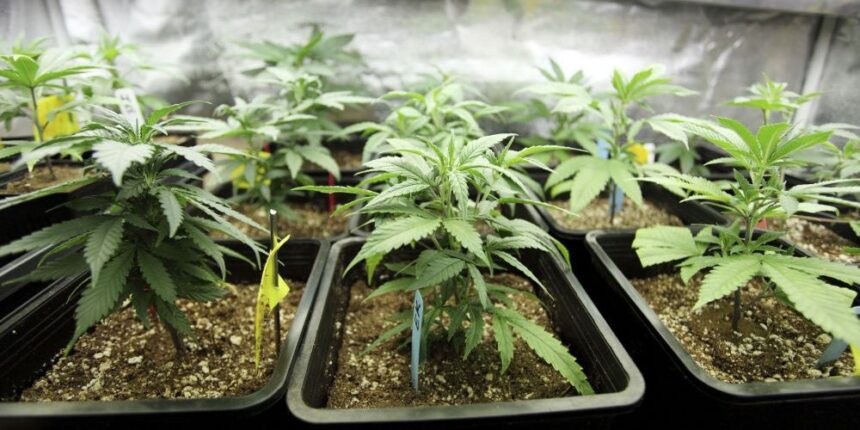
First and foremost, Ghana has not legalised recreational cannabis. Under the Narcotics Control Commission Act, 2020 (Act 1019), and the Cultivation and Management of Cannabis Regulations, 2023 (L.I. 2475), licensing is strictly limited to medicinal, industrial, and research purposes. Only cannabis varieties containing not more than 0.3% tetrahydrocannabinol (THC) are permitted. Recreational use remains illegal, and the possession, trafficking, sale, or cultivation of cannabis above the 0.3% THC threshold continues to constitute a criminal offence. Importantly, even the approved low‑THC variety is illegal without a valid NACOC licence.
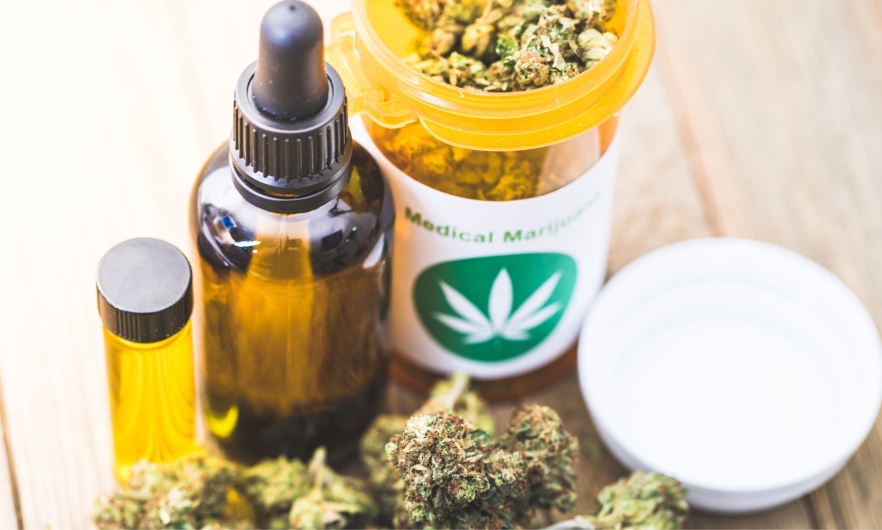
The idea that the policy will lead to more people abusing cannabis for recreational purposes is one of the most prevalent public concerns. Although this concern is reasonable, the regulatory structure in place has been specifically designed to minimise diversion. Licensing is restricted to qualified entities that must meet stringent requirements, including robust security protocols, comprehensive product traceability systems, and strict quality assurance standards. NACOC also retains full inspection and enforcement powers. International experience reveals that low-THC industrial hemp programmes do not always translate into increased recreational use when such controls are applied appropriately.

The question of whether Ghana has adequate monitoring capacity has also been raised, and this is a valid policy question. However, it’s crucial to remember that the existing structure requires multi-agency collaboration amongst relevant national institutions and designates the Cannabis Regulation Department at NACOC as the primary supervision authority. Licences are not granted automatically; they are conditional and may be withdrawn if regulatory conditions are not met. Facilities are continuously monitored for compliance. Therefore, rather than being an open commercial market, the regime is set up as a strictly regulated system.

Some observers have also cautioned that increased availability could worsen the already existing substance use challenges, especially given the limited availability of treatment and rehabilitation services in parts of the country. This concern highlights an important truth: Ghana and NACOC must invest in drug prevention and continue to expand treatment and recovery services regardless of this policy. The Commission must establish the Substance Use Disorder Rehabilitation Fund as stipulated by Section 22 of the Act 1019. However, it is equally important to understand that the permitted cannabis strain, capped at 0.3% THC, has minimal psychoactive effects and is primarily intended for medical products, industrial hemp materials, and scientific research. It is not the high‑THC cannabis typically associated with abuse.

Additionally, the policy is also driven by strategic national interests. Industrial hemp offers economic opportunities for the manufacturing of paper, textiles, cosmetics, pharmaceuticals, and innovative agriculture. The industry can increase export revenue, bring in investment, and create jobs if it is properly regulated. Furthermore, local pharmaceutical development will be strengthened, and research into cannabis-based medicinal products will be supported by controlled cultivation. Law enforcement authorities can better focus on high-THC illicit marketplaces by using a controlled framework to differentiate between authorised and criminal businesses.
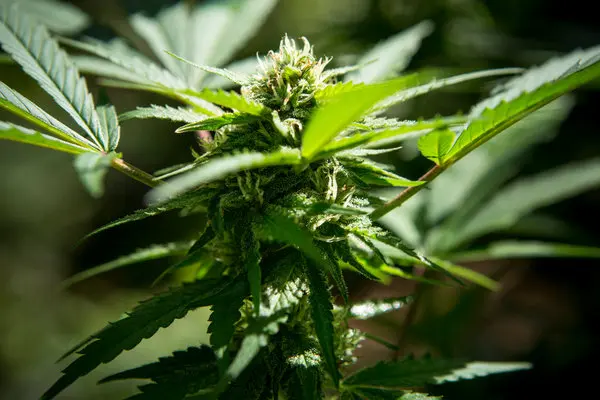
Thus, it is critical to separate myths from facts. Ghana has not legalised marijuana for recreational use. The cultivation is not available to everyone but only to those who meet the legitimate licensing requirements. The streets are not being opened to uncontrolled marijuana distribution. What has been introduced is a tightly regulated, licence‑based system for specific low‑THC (0.3%) cannabis cultivars under strict state supervision.

For the directive to achieve its intended objectives, three core tenets are essential and must remain strong: consistent regulatory enforcement by NACOC, sustained public education and prevention efforts, and deliberate expansion of treatment and rehabilitation services. Encouragingly, the current framework acknowledges the significance of these elements, but the ongoing development and public awareness campaigns will remain crucial.

To sum up, the new licence directive is not a complete legalisation of cannabis in Ghana but rather a careful and legally binding policy initiative. When interpreted correctly in the context of Act 1019 and L.I. 2475, many of the prevailing concerns lack a factual basis. Ultimately, transparent implementation, strict enforcement, and ongoing funding for public health solutions will determine the policy’s success. Under proper supervision, Ghana can appropriately explore the legal, medicinal and industrial prospects of cannabis while preserving public safety.

Rees Hakeem Oduro (reeskofi@gmail.com)

Silver Spring, Pedu

Cape Coast

Disclaimer

The views expressed are solely those of the author and do not reflect the official position of any state agency, organisation, institution or media house with which the author may be affiliated.

Disclaimer: The content published on this website is for informational purposes only. The views, opinions, and positions expressed by individual authors or contributors are theirs alone and do not necessarily reflect those of [patriotnewsonline.com]. While every effort is made to ensure accuracy, [patriotnewsonline.com] does not assume any responsibility or liability for any errors, omissions, or outcomes resulting from the use of this information. Readers are advised to verify facts independently and seek professional advice where necessary.

Share this:

  • Click to share on Facebook (Opens in new window) Facebook
  • Click to share on X (Opens in new window) X
TAGGED:Cannabis Licensing DirectiveLegalization of recreational cannabisMyths and MisinformationNarcotics Control Commission (NACOC)
Share This Article
Email Copy Link Print
Previous Article Stray animals disrupt lessons at DOPASS – SRC President 
Leave a Comment

Leave a Reply Cancel reply

Your email address will not be published. Required fields are marked *

Your Trusted Source for Accurate and Timely Updates!

Our commitment to accuracy, impartiality, and delivering breaking news as it happens has earned us the trust of a vast audience. Stay ahead with real-time updates on the latest events, trends.
FacebookLike
XFollow
InstagramFollow
LinkedInFollow
MediumFollow
QuoraFollow
- Advertisement -
Ad image

Popular Posts

I will not approve anything ECG brings – Chairman of Parliament’s Energy Committee

Chairman of Parliament’s Energy Committee, Emmanuel Bedzrah, has vowed never to approve any proposal brought…

By Thepatriotnewsgh

BoG lowers policy rate from 25 to 21.5%

The Bank of Ghana’s (BoG) Monetary Policy Committee has lowered its benchmark policy rate by 350 basis…

By Agyemkum Tuah

Police launch probe into killing of immigration officer at Gbintiri checkpoint

The North East Regional Police Command has commenced investigations into an armed attack on two…

By Agyemkum Tuah

You Might Also Like

General newsGovernanceNewsParty PoliticsPolitics

Bawumia travels to UK for Oxford event honouring an economist, Paul Collier

By Agyemkum Tuah
General newsNewsParty PoliticsPolitics

Kwabena Agyei Agyepong pledges support to Bawumia

By Agyemkum Tuah
General newsGovernanceInternational Relations & DiplomacyNewsPolitics

US-GHANA Deportation Deal: Show Some National Dignity – Pratt Slams Govt

By Agyemkum Tuah
General newsNewsOpinionParty PoliticsPolitics

Dr. Bawumia Is The Right Leader For NPP and Ghana – Razak Abubakar

By Agyemkum Tuah
thepatriotnewsonline.com
Facebook Twitter Youtube Rss Medium

About US

ThePatriotnewsonline.com: Your instant connection to breaking stories and live updates. Stay informed with our real-time coverage across politics, tech, entertainment, and more. Your reliable source for 24/7 news.

Top Categories
  • World
  • Opinion
  • Politics
  • Tech
  • Health
  • Travel
Usefull Links
  • Contact Us
  • Advertise with US
  • Complaint
  • Privacy Policy
  • Cookie Policy
  • Submit a Tip

© The Patriot News Network.

All Rights Reserved.

Welcome Back!

Sign in to your account

Username or Email Address
Password

Lost your password?