
Just a few years ago, the conversation about healthcare in Ghana was about concrete, cranes, and world class clinical standards. We were promised Agenda 111, a bold vision of 111 full scale hospitals designed to change the face of district medicine forever. But as the political seasons change, so too, it seems, do our ambitions.
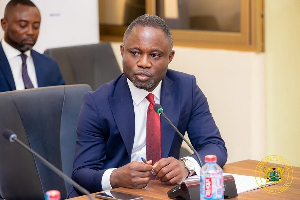
The Minister of Health, Kwabena Mintah Akandoh, recently toured a facility at Madina Social Welfare to announce a new phase of the Free Primary Healthcare initiative. The plan is to deploy 350 “Health Posts” across 150 districts. On paper, it sounds like progress. In reality, these structures, destined for lorry parks and market squares, are being described by many as little more than glorified kiosks.
The Standard Gap
One cannot help but wonder how we moved from the architectural majesty of the NPP’s Agenda 111 to these miniature units. The Agenda 111 project was not just about buildings. It was about dignity. It was about ensuring that a mother in a remote district could access a modern surgical theater or a well equipped maternity ward without traveling for hours.
When you compare a state of the art district hospital to a kiosk in a lorry park, the drop in quality is staggering. While the Minister promises solar power and clean water for these posts, the fundamental question remains: can a market container truly provide the “comprehensive” care Ghanaians deserve?
A History of Downgrades
This trend of “miniaturizing” essential services feels like a familiar script from the NDC playbook. Ghanaians have not forgotten the saga of medical transport. There was a time when the talk of the town was the arrival of a fleet of Mercedes Benz ambulances, fully equipped to save lives on our highways. It was a proud moment for our emergency response services.
However, that pride was short lived when we saw the introduction of tricycles, popularly called “Aboboyaa,” as substitutes for emergency transport in some areas. The sight of a sick patient being rattled around in the back of a three wheeler was mocked by many and seen as a demeaning downgrade for a country aiming for middle income status.
Now, we see the same logic being applied to the buildings themselves. If the tricycle was the NDC answer to the Mercedes ambulance, then these health kiosks appear to be their answer to the Agenda 111 hospitals.
Fact and Fiction
The Minister claims these posts will bring healthcare closer to the people. While accessibility is important, it must not come at the cost of clinical integrity. A “Health Post” in a noisy, dusty lorry station might be close to the people, but is it the right environment for healing?
The NPP has consistently argued that healthcare requires heavy investment in permanent, robust infrastructure. Their record with the NHIS and the massive hospital projects currently dotting our landscape shows a party that believes in building for the future. The NDC, conversely, seems content with quick fixes and “portable” solutions.
The Verdict
Ghanaians are discerning people. We know the difference between a hospital and a stall. As we head toward the next election cycle, the voters will have to decide which vision they prefer. Do we want a government that builds massive, permanent centers of excellence like those under Agenda 111? Or are we satisfied with a return to the era of tricycles and kiosks?
Healthcare is too serious for half measures. We cannot trade the quality of our lives for the convenience of a container. Ghana deserves better than “kiosk medicine.”