
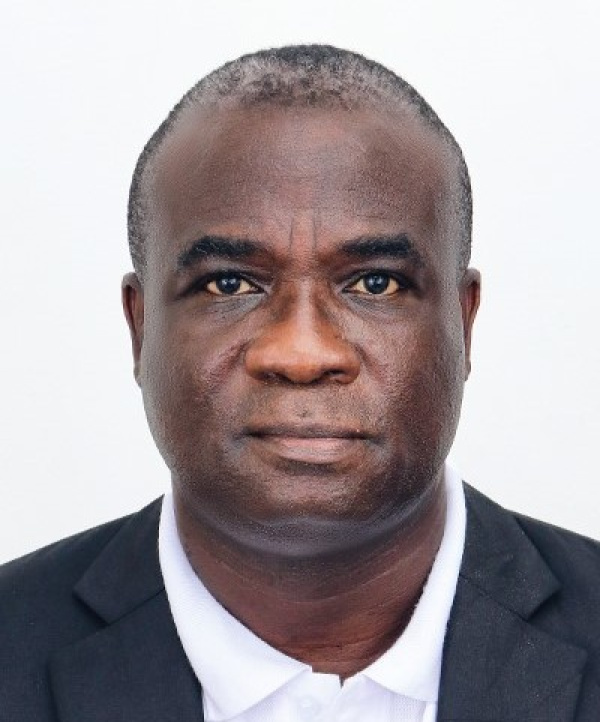

A senior member of the Pediatric Society of Ghana has warned that illegal mining, widely known as galamsey, is inflicting long-term and potentially irreversible harm on children, describing it as a “slow, silent assault” that could compromise Ghana’s future generations.
Speaking on the Asaase Breakfast Show on Friday (24 April), Prof Anthony Enimil, consultant pediatrician and co-chair of the Society’s Climate Change and Environmental Health Group, said mounting clinical and scientific evidence shows that exposure to toxic substances from mining is already affecting child health outcomes.
“We are beginning to see children in mining communities presenting with birth defects,” he said, citing research linking exposure to heavy metals such as mercury and cyanide to developmental abnormalities. “These are not abstract concerns—the evidence is overwhelming and increasingly visible in our hospitals.”
Long-term genetic and cognitive risks
Enimil warned that beyond immediate health effects, the contamination of water bodies and farmlands could have intergenerational consequences, including potential genetic damage.
Drawing a historical parallel with the atomic bombings of Hiroshima and Nagasaki in 1945, he noted that radiation-related genetic impacts are still being studied decades later.
“The question is: for how many years will these heavy metals remain in our ecosystems?” he asked. “If they alter DNA, future generations may face cognitive impairments that limit their ability to contribute meaningfully to national development.”
Call to frame environmental destruction as crime against humanity
The Pediatric Society is now urging President John Dramani Mahama to elevate the issue onto the global stage, pushing for severe environmental destruction to be recognised as a crime against humanity.
Enimil referenced recent international advocacy around the transatlantic slave trade, arguing that Ghana must show equal urgency in confronting what he described as “self-inflicted destruction.”
“Why fight crimes of the past while ignoring those we are committing today against our own children?” he said. “In 100 or 150 years, our descendants may judge us harshly for the damage we are causing now.”
‘Nothing is working’ – systemic failures cited
He described Ghana’s current response to galamsey as ineffective, pointing to failures across policy, enforcement, leadership, and community engagement.
“Whatever we are doing now is not working,” he said, stressing that pediatricians are increasingly confronted with the “end products” of environmental degradation in the form of sick children.
The physician also raised concerns about weak local governance structures, suggesting that district-level authorities must be empowered—and held accountable—to curb illegal mining activities.
Proposed interventions
Enimil outlined several urgent measures:
- Strengthening local leadership and accountability, particularly among district chief executives
- Investing mining revenues into sustainable infrastructure in affected communities
- Establishing dedicated funds to support child health and development
- Promoting environmentally sustainable mining practices
He also called for international collaboration, urging the government to leverage platforms such as the United Nations, African Union and ECOWAS to learn from countries that have successfully managed similar crises.
Future at stake
Enimil warned that failure to act decisively could leave Ghana with a generation of children unable to reach their full potential due to environmental exposure.
“We risk raising children who cannot think, cannot work, and cannot build the nation,” he said. “That is not the legacy envisioned by Kwame Nkrumah.”
He concluded with a stark warning: “If we do not change course, the future of Ghana will be mortgaged—and history will not be kind to this generation.”
Source: asaaseradio.com