
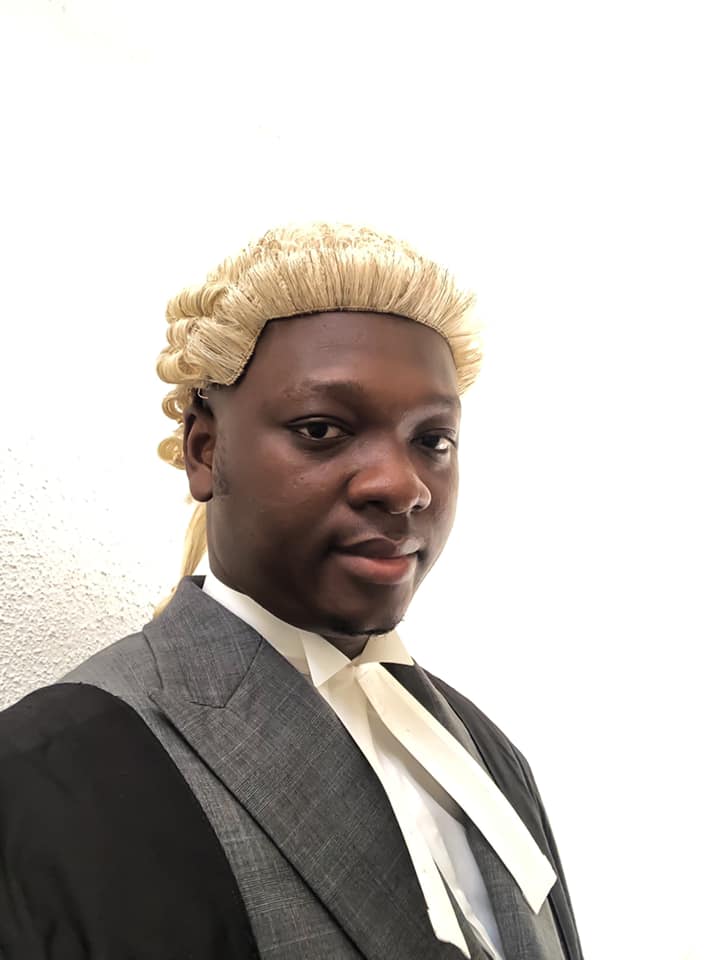

A private legal practitioner has questioned a court’s decision to deny bail to opposition New Patriotic Party (NPP) official Kwame Baffoe, widely known as Abronye, arguing that the offences he faces are minor and unlikely to attract custodial sentences.
Speaking on The Forum on Asaase Radio on Saturday (23 May), lawyer Kwesi Mensah Fokuor-Benyin said the charges against Abronye were misdemeanors that would typically result in a caution or fine, rather than imprisonment, if a conviction is secured.
He argued that remanding a suspect in custody ahead of trial should be carefully justified, particularly where the likely penalty does not include jail time.
“Unless of course the judge has predetermined that if Abronye is convicted then prison sentence is what he is minded to give,” he said, adding that such an approach would be improper.
Abronye, who is also the Bono Regional Chairman of the opposition NPP, was recently denied bail by a court hearing his case. The judge reportedly relied on Section 96(5)(c) of Ghana’s Criminal and Other Offences (Procedure) Act in making the decision.
But Mensah Fokuor-Benyin questioned that legal basis, arguing that the provision is typically applied to repeat offenders who have prior convictions.
“Has Abronye ever been convicted of any such offence before?” he asked, describing the reliance on the provision as potentially problematic.
He further said the court had no evidential basis at the bail stage to determine aggravating or mitigating factors because the prosecution had not yet opened its case and the accused had not entered a plea.
The lawyer also pointed to Abronye’s social and professional ties, including his family and political responsibilities, arguing these factors normally weigh in favour of granting bail because they reduce the likelihood of flight risk.
He added that denying bail on the basis that an accused person might commit another offence, without prior convictions, raised constitutional concerns about presumption of innocence.
Source: asaaseradio.com