
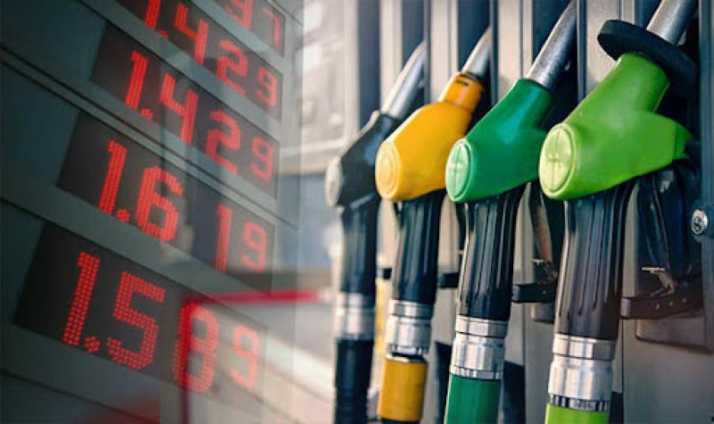

Accra, Ghana — The National Petroleum Authority (NPA) has announced new fuel price floors for the first pricing window of June 2026, with petrol and liquefied petroleum gas (LPG) set to rise while diesel records a slight dip. The adjustments, effective from June 1 to June 15, 2026, reflect global market movements and changes in government subsidies.
According to the NPA, petrol will increase to GH¢15.20 per litre, up from GH¢14.60, while LPG will rise to GH¢13.48 per kilogram, compared to GH¢13.16 in May. Diesel, however, will see a marginal reduction, dropping from GH¢15.81 to GH¢15.49 per litre. Marine Gas Oil has been pegged at GH¢15.67 per litre, showing a slight increase, while kerosene remains stable at GH¢14.81 per litre.
The Authority explained that the changes are driven by international market trends and adjustments in government relief measures. The subsidy on petrol has been removed entirely, while diesel support has been reduced from GH¢2.00 to GH¢1.07 per litre. These interventions, the NPA noted, were designed to cushion consumers but have now been scaled back in line with fiscal realities.
Oil Marketing Companies (OMCs) and LPG Marketing Companies (LPGMCs) are required to comply with the new price floors under the Petroleum Products Pricing Guidelines (PPPG). However, final retail prices at filling stations may vary depending on operational margins.
For consumers, the implications are clear:
- Petrol users, including private car owners and transport operators, will face higher costs at the pump.
- Households relying on LPG for cooking will see increased expenses.
- Diesel users, particularly in commercial transport and industry, may enjoy slight relief, though overall fuel costs remain high.
Analysts warn that the upward adjustment in petrol and LPG prices could exert inflationary pressure, pushing transport fares and household budgets higher. The issue is politically sensitive, with opposition parties likely to seize on the increases to criticize government economic management.
The NPA’s June pricing window underscores the delicate balance between global market realities, government subsidies, and consumer welfare. While diesel users may breathe a little easier, petrol and LPG consumers will bear the brunt of rising costs, reinforcing the broader debate about Ghana’s economic resilience and policy choices.