
The Ghanaian morning air is usually thick with two things: the aroma of brewing Hausa koko and the passionate roar of political debate. But recently, a new conversation has silenced the usual banter at the bus stops. It is a question of identity, soul, and where we stand as a people.
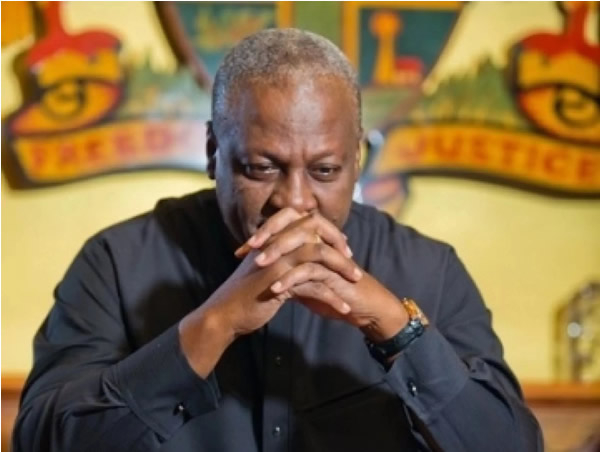
President John Dramani Mahama has recently signaled that his administration’s focus remains squarely on “basic needs” rather than the contentious Anti-LGBTQ+ bill. On the surface, it sounds like the pragmatic talk of a leader worried about the cedi in your pocket and the light in your bulb. But look closer. Is this a masterstroke of economic focus, or is it a convenient detour from a moral crossroad that defines the nation?
In Ghana, the kitchen table and the church pew are not miles apart. They sit in the same room. We are a people who believe that you cannot feed the body while the soul is under siege. When the President suggests that the bill is a secondary concern to “bread and butter” issues, he inadvertently asks us to put a price tag on our heritage.
Can a nation truly prosper if it loses its sense of self?
The shift in rhetoric is stark when compared to the previous administration. Former President Nana Akufo-Addo, while navigating immense international pressure, was clear about the weight of the issue. He famously stated, “I think it will be a credit to Ghanaian democracy if this matter is handled in the correct manner,” while also previously affirming that “it would not be under the Presidency of Nana Addo Dankwa Akufo-Addo that same-sex marriage will be legalized.” He stood his ground even when his refusal to sign earlier versions was characterized by critics as a “backsliding of human rights.”
Now, under President Mahama, the script has flipped.
When the heat is on and the international cameras are zooming in, the focus suddenly shifts to “basic needs.” It feels like a tactical retreat. While the NPP government navigated the treacherous waters of international diplomacy and sovereign debt with the caution of a seasoned sailor, they never suggested that our culture is a luxury we can only afford when the economy is booming.
The NPP showed a different kind of credibility. It was the credibility of staying in the room when the conversation got uncomfortable. They understood that the Ghanaian voter doesn’t just want a full stomach; they want to stand tall in their own skin, rooted in their own traditions.
If we follow President Mahama’s current logic, at what point does a moral issue become “basic” enough to merit attention? He previously pledged, “If the parliament of the people of Ghana endorse the bill and vote on it and pass it and it comes to me as president, I will sign it.” Why then, now that he holds the pen, is the conversation being pivoted toward economic distractions? Do we wait for the GDP to hit a certain percentage before we protect the family unit?
Choosing between the economy and morality is a false choice. A credible leader manages both. By leaning heavily on the “economic hardship” excuse to sidestep a firm cultural commitment, the President risks looking like a leader who only stands for what is popular at the moment, rather than what is permanent for the nation.
The NPP, even while facing the brunt of global economic waves, did not ask Ghanaians to trade their Bibles or Qurans for a cheaper bag of rice. That is the mark of a party that respects the complexity of the Ghanaian mind. We are more than just consumers; we are a community with a conscience.
The question for the nation remains: Who do you trust to hold both the purse and the prayer book? One side seems ready to put the prayer book in the drawer until the bank account is full. The other tried to keep the house standing while the storm raged.
Ghana deserves a leader who doesn’t see our values as a “non-basic” distraction.