
By KwabenaMensah
A spectacular legal drama has finally burst into the open, exposing a bitter, yearlong institutional civil war between the Economic and Organised Crime Office (EOCO) and the Attorney General’s Department. The shock withdrawal of all corruption charges against Abdul Hannan, the former Chief Executive Officer of the National Food Buffer Stock Company, has left court observers stunned. However, those inside the corridors of legal power saw it coming from a mile away.
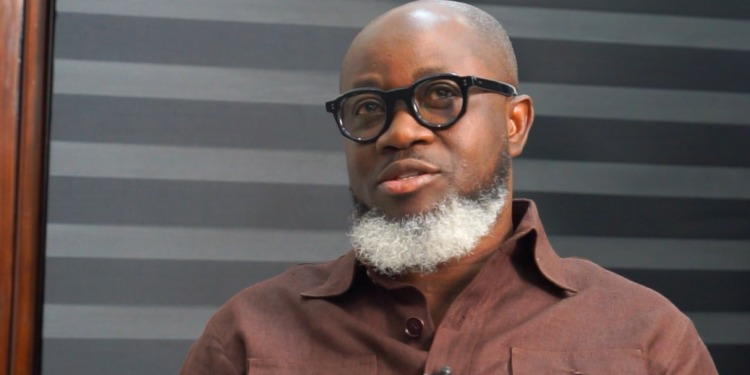
What was loudly trumpeted as a massive anti-corruption breakthrough under the New Patriotic Party administration has collapsed like a pack of cards. The blame does not lie with the state legal apparatus itself, but with the astonishingly sloppy homework done by the white-bearded EOCO boss, Raymond Archer, whose eagerness for a high-profile trophy compromised fundamental investigative logic.
Insiders reveal that EOCO fed the Attorney General with a narrative of gargantuan corruption that simply did not exist on paper. Trusting the institutional integrity of an investigative body tasked to do the heavy lifting, the Attorney General hastily went to town, confident that the state had an airtight case to protect public funds.
However, the foundation of the state’s case began to fracture during the interrogation phase itself. In a highly unusual move that raised eyebrows across Accra, Raymond Archer personally sat in to conduct the questioning. Rather than focusing on forensic auditing, bank trails, or procurement documents, the strategy shifted to a bizarre divide and conquer psychological game.
In a desperate bid to force a confession, investigators went as far as interrogating Hannan’s wife. Instead of tracking state resources, they threw a curveball, asking her if she knew her husband had a girlfriend. It was a clear domestic trap intended to provoke marital fury and get her to spill nonexistent beans. When personal relationships are weaponised because financial evidence is lacking, the professional integrity of an investigation dies a natural death.
Realising that he had been led down a blind alley by an incompetent investigation, the Attorney General developed cold feet. He refused to compromise his professional standing by pushing a hollow case through the courts. This refusal sparked a fierce backdoor blame game. Displeased that his sloppy work had received a quiet vote of no confidence, the EOCO boss allegedly deployed mercenary bloggers and specific media actors to brand the Attorney General as weak and incapable of prosecuting heavy cases.
The Attorney General hit back, pointing directly at the shambolic nature of the file handed to him. Yesterday’s full withdrawal of the case was the final explosion of this boiling territorial battle. To save face after the courtroom retreat, EOCO operatives reportedly subjected Hannan to immediate harassment, a move seen by legal analysts as a desperate attempt to look busy.
While critics will quickly target the ruling government for a botched trial, the reality is a clear victory for institutional accountability. By dropping the case, the NPP-led legal machinery proved it will not run a kangaroo court built on gossip and marital traps. The state acted with supreme maturity, choosing legal truth over political optics, even if it meant exposing the administrative lapses of overzealous officers who failed to do their basic job.