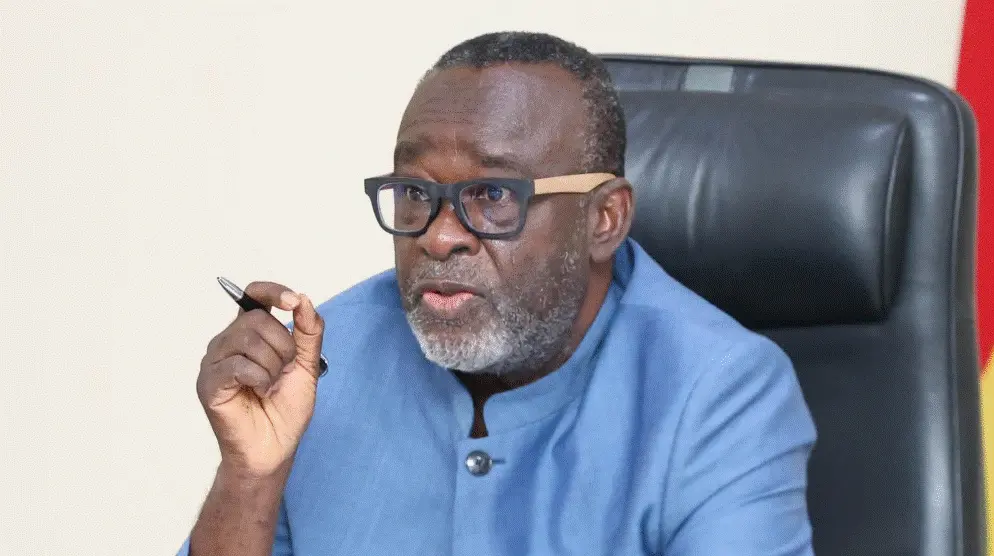
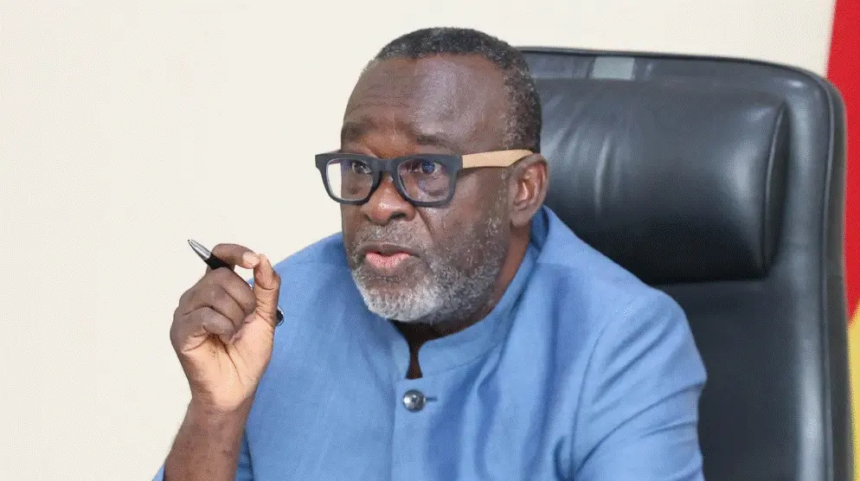

Whenever I see Chief Justice Baffoe-Bonnie at work, I see Lord George Jeffreys of England in history. Jeffreys was Lord Chief Justice under King James II in the 1680s, infamous for turning the courts into instruments of political power. His conduct during the Bloody Assizes made his name a byword for partisan justice and judicial brutality. He is remembered not because he was merely a bad judge, but because he demonstrated conducts unbecoming of a Chief Jurist: a judge who allows his political loyalty to override judicial independence. History did not need a single dramatic verdict to prove this. It needed only to watch how Baffoe-Bonnie behaved on ordinary days when nobody was forcing him to choose a side, and notice he kept choosing the same one anyway.
Baffoe-Bonnie does not even need a courtroom to show this side of himself; he has done enough of that already. His flirting with the executive and NDC veranda boys at funerals, birthdays, and weddings is a pointer to a chief jurist who has lost it from day one. His recent courtesy visits to the Minerals Income Investment Fund and SSNIT, with no pending matters against these state-owned enterprises before him, provided all the proof required. He used those platforms to praise their manufactured turnaround under the current administration while openly questioning what the country was doing during the preceding eight years under Akufo-Addo, who refused to nominate him to the office of Chief Justice. Nothing about that commentary required a Chief Justice. It required a government spokesman, and he delivered it anyway. This is precisely why Prof. Kwaku Asare, one of Baffoe-Bonnie’s surrogates and proxies, felt compelled to state publicly what should never need saying: that the Chief Justice ought to stay out of the partisan arena. And why Kojo Oppong Nkrumah asked the sharper question: why the tour happened at all.
A judge does not announce his allegiance in a single ruling. He reveals it in the visits he chooses to make, the state entities he chooses to praise, and the political timelines he chooses to mock without once being asked. None of it is a formal verdict. All of it is a habit. And habits are what Jeffreys was actually remembered for – not merely one Bloody Assize, but an institutional temperament that kept finding its way to the same side of every question, whether from the bench or during a courtesy call.
Paul Baffoe-Bonnie never imagined he could ever make it to the high office of Chief Justice until the opportunity for judicial coup presented itself. That euphoria explains every unconventional conduct of Paul Baffoe-Bonnie in the Chief Justice chair.
There is a long, frightening history of judges who surrendered judicial independence to political power. Lord George Jeffreys remains one of the most notorious examples. Paul Baffoe-Bonnie is fast becoming one. And no one should be surprised at how that came about.
J. A. Sarbah