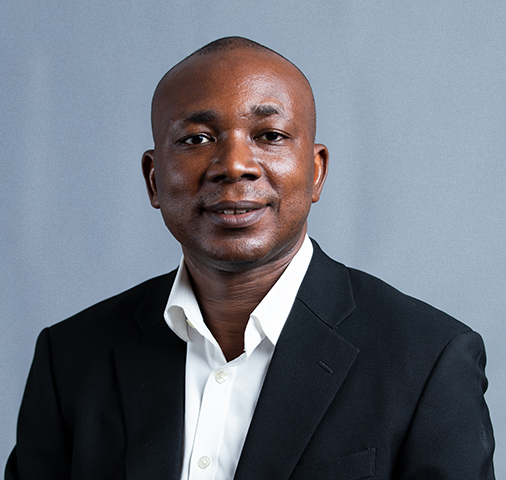

Accra, Ghana — Professor Godfred Bokpin of the University of Ghana Business School has cautioned that Ghana could find itself back under an International Monetary Fund (IMF) programme by 2033 if government fails to pursue aggressive revenue reforms.
Speaking on GBC’s Talking Point, Prof. Bokpin explained that while Ghana exited its 17th IMF programme in 2026 after painful debt restructuring and fiscal consolidation, the country’s reliance on expenditure cuts without broadening the tax base remains a major vulnerability. “If we rely primarily on the expenditure cut in fiscal consolidation, it will come back to bite us,” he warned.
He noted that expenditure cuts may reassure lenders in the short term but undermine growth, delay infrastructure projects, weaken social programmes, and reduce the state’s ability to deliver services. Over time, this erodes economic activity and shrinks the tax base, making fiscal stability harder to sustain.
Prof. Bokpin stressed that Ghana’s next phase of economic management must focus on domestic revenue mobilization. He called for widening and deepening tax collection, improving administration, closing loopholes, and expanding the tax net to the informal sector. He also urged diversification away from volatile commodity revenues such as gold and cocoa to strengthen fiscal resilience.
The economist further raised concerns about the financial losses reported by the Bank of Ghana, warning that recapitalisation means taxpayers will ultimately absorb the burden. While central banks are not profit-making institutions, he argued that the cost of policy decisions must be assessed carefully, especially when they impact the public purse.
Although government has touted macroeconomic stability — with inflation easing and the cedi showing signs of resilience — Prof. Bokpin insisted that these gains are fragile unless backed by structural reforms. He cautioned that without decisive action, Ghana risks repeating its historical pattern of exiting IMF programmes only to return within a decade.
His warning underscores a broader truth: Ghana’s exit from the IMF does not mean the country is out of danger. Unless government pivots decisively toward revenue mobilisation and long-term reforms, the cycle of crisis and bailout could repeat itself, with another IMF programme looming by 2033.