
For weeks, the John Mahama-led administration has desperately clung to a single narrative: that the recent fire at the Akosombo Generating Station is the sole architect of the current darkness plaguing our homes and businesses. But as the lights continue to flicker and the economy bleeds, the veil is finally being lifted.
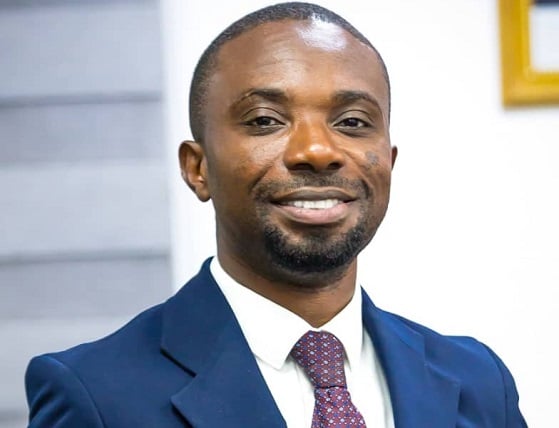
Dennis Miracles Aboagye, a leading voice for the New Patriotic Party (NPP), has torn into this convenient excuse, boldly declaring that “fixing Akosombo” will not end the return of the dreaded Dumsor. His message is a sobering reality check for a nation tired of being gaslighted: Ghana’s energy crisis is a deep-seated, systemic failure that predates the recent flames at the dam.
The Perennial Crisis: A Failure of Vision
To understand Aboagye’s critique, one must look past the immediate headlines. Ghana’s power struggle is a decades-old saga of mismanagement, debt, and a lack of foresight. For years, our energy sector has been hollowed out by a “hand-to-mouth” approach to governance. Under the current NDC leadership, we have seen a return to the dark days where the “triangular debt” between fuel suppliers, power producers, and distributors has paralyzed the grid.
The tragedy of the recent fire, which scorched critical components of the Akosombo Power Station, is indeed a technical setback. However, as Miracles Aboagye rightly points out, the grid was already gasping for air long before the first spark flew at the dam. The fire was merely the tipping point for a sector already on its knees due to a lack of investment in gas infrastructure and the neglect of thermal maintenance.
The “Accident” as a Political Shield
“The government is using the Akosombo incident as a political shield to hide their incompetence,” Aboagye asserted. He argues that by focusing solely on the repair of the dam, the Mahama administration is attempting to avoid the uncomfortable truth: they have failed to secure enough fuel for our thermal plants and have failed to settle the massive debts owed to Independent Power Producers (IPPs).
The narrative is clear: if the government can blame an “act of God” or a technical accident for the blackouts, they don’t have to answer for the empty coffers and the lack of a sustainable energy roadmap. But the Ghanaian people are wiser. They know that even when Akosombo was at full capacity, the intermittent power outages were already a daily reality.
A Call for Honest Leadership
The road to permanent energy security requires more than just replacing burnt cables at Akosombo. It requires a government that can manage the fiscal health of the energy sector, ensure a consistent supply of fuel, and prioritize the local engineers who actually keep the lights on. Until the NDC stops hiding behind the smoke of the Akosombo fire, Ghana will remain a nation in the dark.