
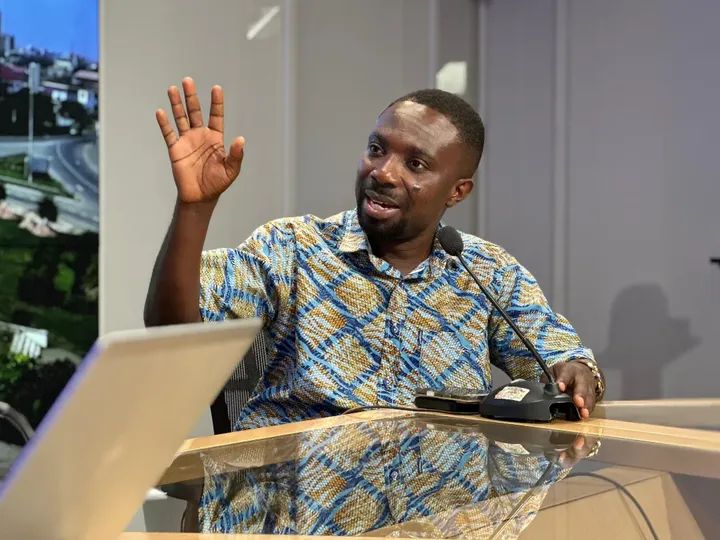

Dennis Miracles Aboagye, aide to the NPP flagbearer, has called on President John Dramani Mahama to urgently move beyond sympathy and announce concrete flood response measures to protect Accra residents as heavy rains continue to threaten the capital.
In a strongly worded post on X on Tuesday, June 30, 2026, Aboagye questioned what immediate interventions had been put in place following the President’s aerial inspection of flood-hit communities the previous day. He argued that Ghanaians need practical solutions rather than assurances.
“SOLUTIONS, that’s what we need now sir, not assurances, not commiserations, not empathy. SOLUTIONS!” he wrote.
Aboagye urged the President to convene an emergency Cabinet meeting to take “specific, clear-cut decisions” aimed at preventing further loss of lives as more rains are expected. He also demanded that Mahama disclose findings from the anti-flood technical committee and explain the government’s immediate response plan.
He expressed concern that the flooding crisis had spread across Accra, affecting communities beyond the traditionally flood-prone areas.
“Mr. P, the floods are wiping away the capital city, not just a few; the entire city is under siege,” he warned.
Aboagye described the weather conditions as alarming, noting that residents were anxious as dark clouds continued to gather. He ended his message with a direct appeal to the President to announce immediate measures that would help residents withstand any fresh downpour.
“Tell us what you are going to do to protect us today, not the future. Today’s rain must be survived first!” he stressed.
Flooding has long been one of Accra’s most persistent urban challenges, often linked to poor drainage systems, rapid urbanisation, and weak enforcement of planning regulations. Past administrations have attempted interventions such as the Odaw River dredging project and the establishment of anti-flood task forces, but critics argue that these measures have not been sustained.
The June 3, 2015 flood and fire disaster, which claimed over 150 lives, remains a stark reminder of the devastating impact of inadequate flood management. Since then, successive governments have pledged reforms, yet seasonal rains continue to expose vulnerabilities in the city’s infrastructure.