
Ghana’s power crisis reflects deeper structural challenges in the energy sector, including underinvestment in transmission infrastructure and weak crisis communication, a senior opposition lawmaker has said.
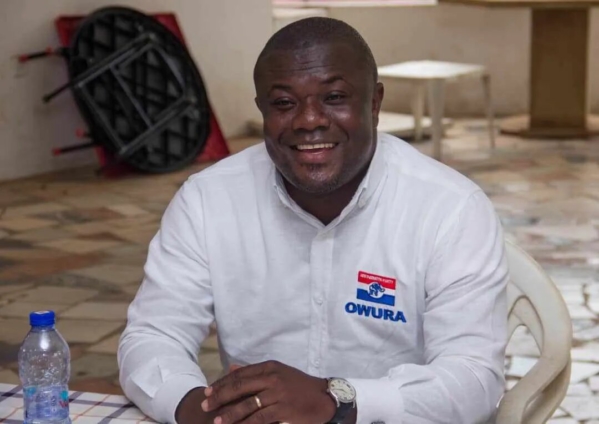
Collins Adomako-Mensah, who serves as deputy ranking member of Parliament’s Energy Committee, said the recent outages—worsened by a fire at a substation linked to the Akosombo Dam—have exposed longstanding gaps in planning and system resilience.
Speaking on the Asaase Breakfast Show on Monday (27 April), he said Parliament had yet to receive a full briefing from the Energy Ministry but noted that oversight efforts were ongoing despite the House being on recess.
“Nobody expected Akosombo to catch fire. When that happens and about 1,000 megawatts goes off, obviously there will be disruptions,” he said.
However, he argued that the outages predate the incident, describing electricity supply over the past month as “very, very erratic”.
Adomako-Mensah called on government to publicly acknowledge the scale of the problem and provide a load-shedding timetable to help households and businesses plan.
“It cannot be that after one month of disruptions, we don’t have a timetable,” he said.
He attributed part of the crisis to imbalances in the energy sector, where generation capacity—largely driven by private independent power producers—has outpaced investment in transmission infrastructure managed by the Ghana Grid Company.
According to him, GRIDCo requires significant funding—estimated at about $250 million—to upgrade transmission lines, particularly from the Volta Region to northern Ghana.
“As population increases, we cannot keep using the same transformers and wires,” he said, citing rising electricity consumption figures.
The lawmaker also questioned the effectiveness of recent managerial reshuffles within state energy agencies, dismissing suggestions of sabotage as politically motivated.
“I’m not too sure it’s a human resource problem,” he said.
While acknowledging possible lapses in safety systems at the affected substation, including fire detection and response capacity, he urged a shift away from partisan blame.
“This is not a political matter… everybody is feeling it,” he said, calling for bipartisan cooperation to address the crisis.
Looking ahead, he advocated increased investment in renewable energy to reduce reliance on expensive fuel-based generation and improve long-term sustainability.
Source: asaaseradio.com