
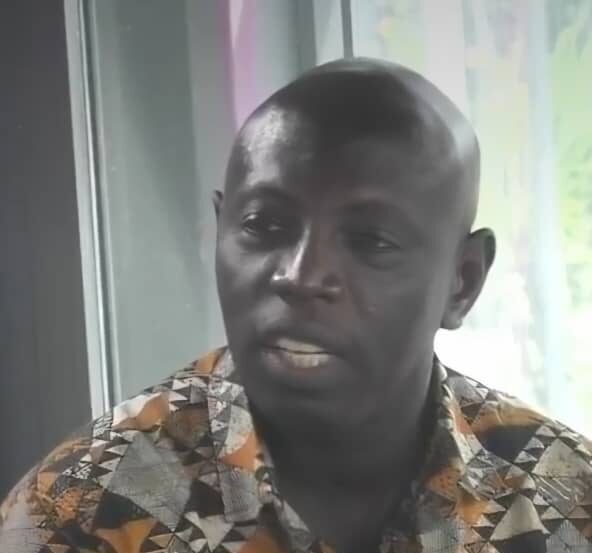

Ghana’s exit from the IMF bailout programme marks a milestone but not the end of its economic challenges, economist Isaac Boadi has said.
Speaking on the Asaase Breakfast Show on Monday (18 May), Prof. Boadi warned that the country risks repeating past cycles of crisis if structural weaknesses are not addressed.
“This is where the real work begins… it is not the end of our challenges,” he said.
He urged policymakers to focus on key issues highlighted by the IMF, including the performance of state-owned enterprises, delayed structural reforms and fiscal discipline.
“For a country like Ghana… we must take keen interest in the core issues they raised,” he said.
Boadi criticised what he described as a tendency to celebrate programme exits without addressing the underlying causes of repeated IMF dependence.
“You borrowed money… and now you are celebrating repayment. Who does this?” he said.
He also highlighted inefficiencies in revenue mobilisation, noting that Ghana’s tax-to-GDP ratio remains significantly below its potential due to leakages.
“Our capacity should be about 21 percent, but we are around 13 percent,” he said.
According to Boadi, persistent budget deficits driven by high spending and weak revenue collection have been a key factor behind Ghana’s repeated return to IMF programmes.
He further pointed to structural imbalances in the economy, including reliance on raw material exports and heavy importation of finished goods.
“How do you balance this?” he asked.
While macroeconomic indicators such as inflation may be improving, Boadi said many households continue to feel the pressure of high living costs, highlighting a disconnect between economic data and lived reality.
“The disconnect will always be there… if structural issues are not addressed,” he said.
He called for a broader rethink of economic policy to ensure long-term independence from external support.
Source: asaaseradi.com