

Ghana’s Parliament has adjourned without revisiting the controversial Human Sexual Rights and Family Values Bill, widely referred to as the anti-LGBTQ bill, despite several reassurances from the Speaker of Parliament, Rt. Hon. Alban Sumana Kingsford Bagbin. This leaves the future of the bill uncertain amid procedural disputes and mounting pressure from both domestic and international actors.
The bill, first passed in February 2024, stalled after then-President Nana Akufo-Addo withheld assent and legal challenges were filed at the Supreme Court. A revised version was later approved on May 29, 2026, with amendments exempting lawyers, journalists, and medical professionals from prosecution when performing their duties.
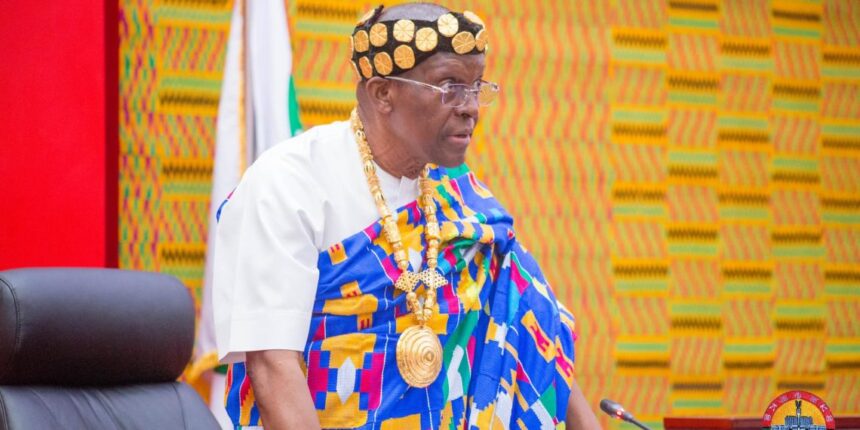
Speaker Alban Bagbin had urged MPs to reconsider the legislation, citing Standing Order 170(2), which requires all agreed amendments to be properly incorporated before a bill’s third reading. He stressed that the House must ensure procedural compliance to achieve bipartisan approval. However, Parliament adjourned without addressing these concerns, effectively leaving the bill in limbo.
President John Dramani Mahama has indicated he would only sign the bill after it undergoes proper constitutional procedures. Meanwhile, international organisations, including the International Bar Association’s Human Rights Institute (IBAHRI), have urged Ghana to reject the legislation, warning that it violates fundamental freedoms such as expression, association, and equality.
Supporters of the bill argue that it protects Ghana’s cultural and family values, while critics say it criminalises identity, advocacy, and professional responsibilities, potentially exposing lawyers, journalists, healthcare providers, and educators to prosecution. The bill also imposes mandatory reporting obligations, requiring citizens to report suspected violations to authorities.
With Parliament adjourned, the legislation remains stalled, highlighting deep divisions within Ghana’s political system and intensifying scrutiny from both domestic stakeholders and the international community.