
Tuesday, 26 May 2026
  • About us
  • Our policy
  • Blog
  • Contact
Subscribe
thepatriotnewsonline.com
  • Home
  • Politics

    Boakye Agyarko Slams Mahama Government Over Arrests of NPP Activists

    By Agyemkum Tuah

    Obour pays nomination forms to all electoral area executives’ contestants in Asante Akyem South

    By Agyemkum Tuah

    Over 100 NPP executives in Yendi constituency petition General Secretary over alleged removal of names

    By Agyemkum Tuah

    Let’s get the NPP back into winning ways – Afoko rallies Minority MPs

    By Agyemkum Tuah

    NDC facing ‘intense internal contest’ – Dr. Zaato warns of post-Mahama tensions

    By Agyemkum Tuah

    Probe Mugabe Maase statements linking Ashanti police to armed robbers – IGP petitioned

    By Agyemkum Tuah
  • Business
  • Opinion

    Muhammadu Buhari, former president of Nigeria, is dead

    By Thepatriotnewsgh

    Sam George, Abena Osei-Asare clash at PAC over MTN service concerns

    By Agyemkum Tuah

    NPP alleges “judicial gymnastics” in Abronye bail case

    By Agyemkum Tuah

    Ashanti Region gears up for Asantehemaa’s funeral

    By Thepatriotnewsgh

    SHSs pull out of 2025 National Science and Maths Quiz over lack of funds

    By Agyemkum Tuah

    Sahara Group expands ‘Adopt-A-Forest’ initiative to Ghana, partners Forestry Commission on sustainability

    By Agyemkum Tuah
  • Health

    Abandoned Agenda 111 Hospital in Awutu Senya West overrun by reptiles and rodents

    By Agyemkum Tuah

    Korle-Bu doctors announce industrial action over patient safety concerns

    By Agyemkum Tuah

    Kwabena Frimpong slams “unacceptable” recruitment system leaving graduates stranded

    By Agyemkum Tuah

    Doctors oppose 24-hour outpatient policy, threaten strike

    By Agyemkum Tuah

    Agenda 111 is a Trap. No secured funding-Mintah Akando

    By Thepatriotnewsgh

    FROM AGENDA 111 TO MARKET KIOSKS: IS GHANA RETREATING ON HEALTHCARE STANDARDS?

    By Thepatriotnewsgh
  • Pages
    • About us
    • Our policy
    • Contact US
  • Health
  • Sports
  • World
  • Lifestyle
  • Travel
  • Health
  • Sports
  • World
  • Lifestyle
  • Travel
Font ResizerAa
thepatriotnewsonline.comthepatriotnewsonline.com
  • My Saves
  • My Interests
  • My Feed
  • History
  • Travel
  • Opinion
  • Politics
  • Health
  • Technology
  • World
Search
  • Home
  • Politics
  • Business
  • Sports
  • Opinion
  • Health
  • Travel
  • World
Have an existing account? Sign In
Follow US
© The Patriot News Network. All Rights Reserved.

Home » Prehistoric Africa had global trade networks that collapsed for unknown reasons

African NewsBusinessCommerceTrade

Prehistoric Africa had global trade networks that collapsed for unknown reasons

Agyemkum Tuah
Last updated: February 22, 2026 6:28 pm
Share
SHARE

Archaeologists have now shown that African port towns traded across the Indian Ocean between 1000 and 1500 AD, linking inland producers to markets in India and beyond.

Contents
Clues from coastal ruinsAfrican trade crossed the oceanProof in local craftsIvory funded citiesSlavery triggered collapseAn inland building silenceAfrican trade evidence vanishedHeritage faces demolitionSearching for reasons

When new buildings, workshops, and trade goods later vanish from many regions, the silence marks a violent rupture that helps explain why this chapter barely appears in standard history books.

Clues from coastal ruins

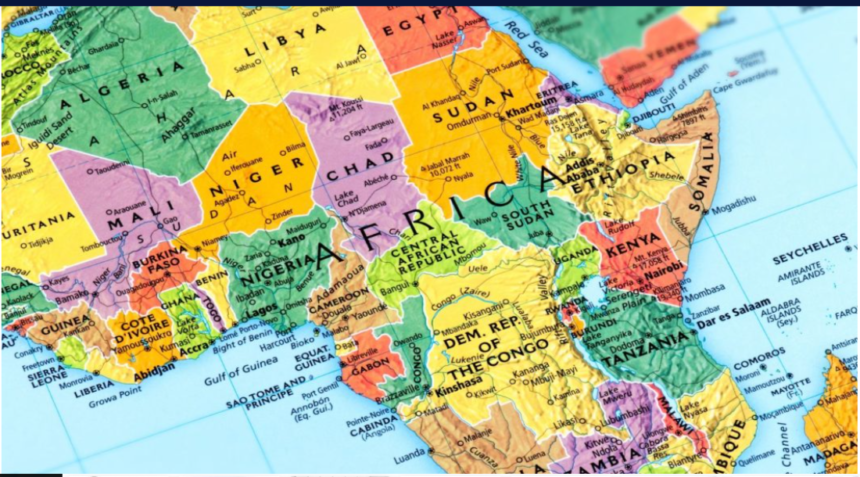
Walls, wells, and broken ceramics at Gedi on Kenya’s coast show a Swahili city tied to Indian Ocean trade.

Following that trail, Chapurukha M. Kusimba, Ph.D., at the University of South Florida (USF) linked coastal finds to inland suppliers.

His review described towns that imported luxury goods while exporting gold, ivory, and timber. That mix of local building and far-off goods makes later gaps in pottery, iron, and housing harder to dismiss.

African trade crossed the ocean

Glass beads of Indian origin turn up across sub-Saharan sites, including places with no stone buildings.

Seasonal winds carried ships between East Africa and South Asia, while pack animals and people moved cargo inland.

“My work and the work of others shows that before the African slave trade, which reached the continent’s interior with slave caravans starting in the 17th century, Africans were trading with other cultures,” said Dr. M. Kusimba.

Even modest settlements left imports that match distant records, so archaeologists can map connections without palaces or written archives.

Proof in local crafts

At many coastal towns, 96 percent of artifacts like pottery, metals, and beads are local, not imported from abroad.

Local workshops supplied daily needs, and imported items stayed rare enough to signal status across neighborhoods and households.

Measured by built space, Gedi covered about 48 acres, yet it still held mosques, wells, and a planned street grid.

Counting only large stone cities would miss these African-built networks, and that blind spot feeds the gaps readers notice today.

Ivory funded cities

From at least 800 C.E., coastal traders moved mostly cut ivory, and that choice changed how value traveled.

Cut pieces let merchants weigh and grade each shipment, so prices matched quality before caravans reached port markets.

Archaeological layers later show whole tusks replacing cut pieces, and signs of weaving and ironwork fade at the same time.

Losing control of processing handed leverage to outside buyers, and it set the stage for wider social violence.

Slavery triggered collapse

In the 17th century, slave caravans reached East Africa’s interior, and people moved from open plains into defensive terrain.

Before that era, Kenya and Somalia had 250 thriving coastal towns, yet fewer than ten remained after 400 years.

“Slavery and the slave trade led to a loss of knowledge, of power, of memory,” said Kusimba. Such disruption leaves few new buildings to excavate, and it helps explain why later history looks blank.

An inland building silence

Inside Tsavo National Park in Kenya, archaeologists found abandoned villages and orchards but few later houses.

Fear pushed families toward hillsides and mountains, and mud-and-thatch homes there often rotted before anyone could record them.

With inland fields unsafe, coastal ports lost food supplies, and ruins grew as trade partners looked elsewhere for staples.

That long pause in durable architecture turns into a hole in maps, especially when later bulldozers erase traces.

African trade evidence vanished

Across the Sahara, deep sand buries camps from wetter times, and archaeologists struggle to find them under moving dunes.

Running an archaeological survey, a systematic search for sites across land, becomes slow when wind and heat hide landmarks.

Low populations meant many groups stayed mobile, so they left fewer thick layers of trash, ash, and foundations.

Missing city walls can still hide complex lives, but it requires time, training, and patience to read small clues.

Heritage faces demolition

Today Kenya’s population tops 56 million, and housing construction often lands directly on unprotected ruins.

Without heritage management, plans that protect sites and collections, local officials struggle to stop looting and demolition.

As people relocate for work and safety, newcomers may not know which places hold sacred knowledge and community memories.

Once bulldozers scrape away walls and burials, later researchers lose the chance to test ideas about how towns worked.

Searching for reasons

More African-born archaeologists now lead field teams, and they often prioritize overlooked sites beyond famous fossil discoveries.

Growing Indigenous archaeology, research planned with descendant communities, can keep excavations respectful while sharing benefits from tourism and museums.

Yet many projects still rely on grants from the United States and Europe, and sudden cuts halt seasons.

Without steady training and pay, many young scientists choose other work, leaving fewer teams to document threatened sites.

Evidence from ruins, imports, and abandoned farms shows Africa’s medieval trade and later collapse, even when records look thin.

Protecting sites before construction, funding local teams, and sharing stewardship with communities will decide how much of that story survives.

The study is published in Annual Review of Anthropology.

Source: www.earth.com

Disclaimer: The content published on this website is for informational purposes only. The views, opinions, and positions expressed by individual authors or contributors are theirs alone and do not necessarily reflect those of [patriotnewsonline.com]. While every effort is made to ensure accuracy, [patriotnewsonline.com] does not assume any responsibility or liability for any errors, omissions, or outcomes resulting from the use of this information. Readers are advised to verify facts independently and seek professional advice where necessary.

Share this:

  • Share on Facebook (Opens in new window) Facebook
  • Share on X (Opens in new window) X
Share This Article
Email Copy Link Print
Previous Article $11.3 billion and counting: Nigeria’s Rabiu Abdulsamad rises again among Africa’s richest
Next Article Minority demands immediate payment of allowances owed to Ghana Prisons Officers
Leave a Comment

Leave a Reply Cancel reply

Your email address will not be published. Required fields are marked *

Your Trusted Source for Accurate and Timely Updates!

Our commitment to accuracy, impartiality, and delivering breaking news as it happens has earned us the trust of a vast audience. Stay ahead with real-time updates on the latest events, trends.
FacebookLike
XFollow
InstagramFollow
LinkedInFollow
MediumFollow
QuoraFollow
- Advertisement -
Ad image

Popular Posts

CEMSE flags “ghost fuel sales,” demands probe into Life Energy over alleged data manipulation

The Centre for Environmental Management and Sustainable Energy (CEMSE) has petitioned the Economic and Organised…

By Agyemkum Tuah

$11.3 billion and counting: Nigeria’s Rabiu Abdulsamad rises again among Africa’s richest

According to Bloomberg's Billionaire Index, Nigerian businessman Rabiu Abdulsamad has surpassed Egyptian billionaire Naguib Sawiris to become…

By Agyemkum Tuah

Afenyo-Markin Slams School Feeding Contractors for Importing Rice and Betraying Ghanaian Farmers

Minority Leader in Parliament, Alexander Afenyo-Markin, has strongly criticised contractors supplying the Ghana School Feeding…

By Agyemkum Tuah

You Might Also Like

Banking and FinanceBusinessEconomyGovernanceNews

Africa Policy Lens requests Bank of Ghana to detail 2025 gold sales and proceeds

By Agyemkum Tuah
BusinessEconomyTransportation

Lorry Fares Up 20% from September 27

By Agyemkum Tuah
BusinessCommerceEconomyNewsTrade

Makola Traders Protest Against “Exploitative” Rent Charges in Accra

By Agyemkum Tuah
BusinessEconomyGeneral news

COVID levy will be abolished – Finance Minister reassures

By Thepatriotnewsgh
thepatriotnewsonline.com
Facebook Twitter Youtube Rss Medium

About US

ThePatriotnewsonline.com: Your instant connection to breaking stories and live updates. Stay informed with our real-time coverage across politics, tech, entertainment, and more. Your reliable source for 24/7 news.

Top Categories
  • World
  • Opinion
  • Politics
  • Tech
  • Health
  • Travel
Usefull Links
  • Contact Us
  • Advertise with US
  • Complaint
  • Privacy Policy
  • Cookie Policy
  • Submit a Tip

© The Patriot News Network.

All Rights Reserved.

Welcome Back!

Sign in to your account

Username or Email Address
Password

Lost your password?