
Corruption in public life does not happen by accident. It happens when power is treated as an open checkbook, and statecraft is reduced to a private transaction.For years, Ghanaians were told that the severe power outages between 2014 and 2016 were simply technical hiccups—a temporary storm in our energy sector. Today, the curtains have been pulled back, exposing the bitter truth.
What the National Democratic Congress (NDC) framed as a crisis response was, in reality, a feast for insiders.The recent conviction of Asante Kwaku Berko in a Brooklyn federal court serves as a sharp reminder of how deep the rot ran during the Mahama administration. A jury of twelve men and women in the United States reached a verdict that our domestic courts are only now piecing together: over $1 million in bribes was moved around to secure a fast-tracked power plant contract for Turkish firm Aksa Enerji.
The details read like a scene from a political thriller. In April 2015, while Ghanaian factories were shutting down and small businesses were folding under the weight of continuous power cuts, key officials in the Power Ministry were negotiating kickbacks. An all-expenses-paid trip to Turkey was arranged for five Ghanaian public officials to inspect equipment. On top of the luxury accommodation, each official received $5,000 in cash. By July 2015, Parliament had ratified the agreement, and thousands of dollars flowed to selected decision-makers.
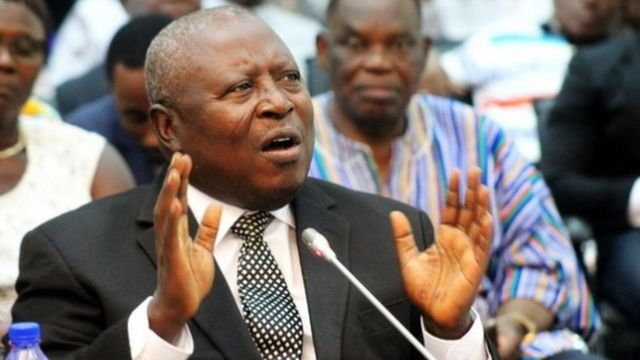
This is the legacy of the NDC in government. It was an era where national suffering became a market opportunity for the few.When former Special Prosecutor Martin Amidu reflects on how Ghana reached this point, his diagnosis cuts deep. He points out how greed replaced our national pride, transforming a country once revered across the continent into a place where state contracts are routinely padded. But Amidu’s sharpest observation lies in how we break the cycle: robust, independent institutions with real teeth.Herein lies the defining difference between the two main political traditions in this country.When the New Patriotic Party (NPP) assumed office, it did not merely make speeches about accountability; it built the legal architecture to enforce it.
The establishment of the Office of the Special Prosecutor (OSP) was an unprecedented step. For the first time in our history, an administration created an independent body specifically designed to investigate corrupt practices, even within the government’s own backyard.Consider the contrast. In 2020, when the OSP conducted a corruption risk assessment on the proposed Agyapa Royalties transaction, the NPP government under President Nana Addo Dankwa Akufo-Addo did not attack the Special Prosecutor, nor did it suppress the findings. The administration accepted the report, halted the execution of the deal, and directed that the entire transaction be referred back to Parliament.
That is what institutional respect looks like. Under an NPP administration, an independent state agency flags potential risks, and the executive steps back to protect the public purse.Under the NDC, the story was vastly different. When Professor Stephen Adei famously observed in 2015 that certain Members of Parliament were demanding inducements before passing bills, the response from the political class was outrage and threats of parliamentary contempt. They sought to silence the whistleblower rather than clean the house. Meanwhile, as the Aksa Enerji transaction sailed smoothly through the house in July 2015, money was changing hands in private email threads, hidden behind coded terms like “holy rain”. The Brooklyn verdict has laid bare the character of the previous government. It showed a pattern where national emergencies were treated as wealth-building exercises.
It proved that while Ghanaians suffered in the dark, public officials were being flown abroad to receive envelopes of cash.Ghana cannot afford a return to an era where state power is used as cover for private enrichment. The evidence is clear for any objective observer to see. The NPP’s commitment to building strong, independent bodies like the OSP—and respecting their mandates even when it hurts—remains our surest path to restoring integrity to public governance.The past offers us a warning; the present offers us a standard. The choice between those who institutionalize accountability and those who commercialize national distress could not be clearer.