

The history of Ghana is often told as a sprint to the finish line of March 1957. We focus on the loud cheers and the lowered flags. Yet, we rarely pause to inspect the foundation upon which that house was built. If we are to be a serious nation, we must acknowledge the man who actually paid for the building materials. That man was George Alfred Grant, the timber merchant from Axim, and his story is a sharp reminder that political movements require more than just slogans. They require men of substance, vision, and personal sacrifice.
When the history books are stripped of their partisan paint, one truth remains immovable. Pa Grant was the primary architect and financier of the United Gold Coast Convention. He did not just join the fight for self-determination. He reached into his own pocket, tapped into his success as a businessman, and launched the first serious political engine for Ghana’s independence.
The political pedigree of the center right in this country is rooted in this practical approach to service. Pa Grant brought together the sharpest legal minds of his day, men like J.B. Danquah, because he understood that a nation is not built by chance. It is built by design. He was the one who scouted talent across the Atlantic. It was his personal money that covered the travel expenses for Kwame Nkrumah to return home and serve as the party secretary.
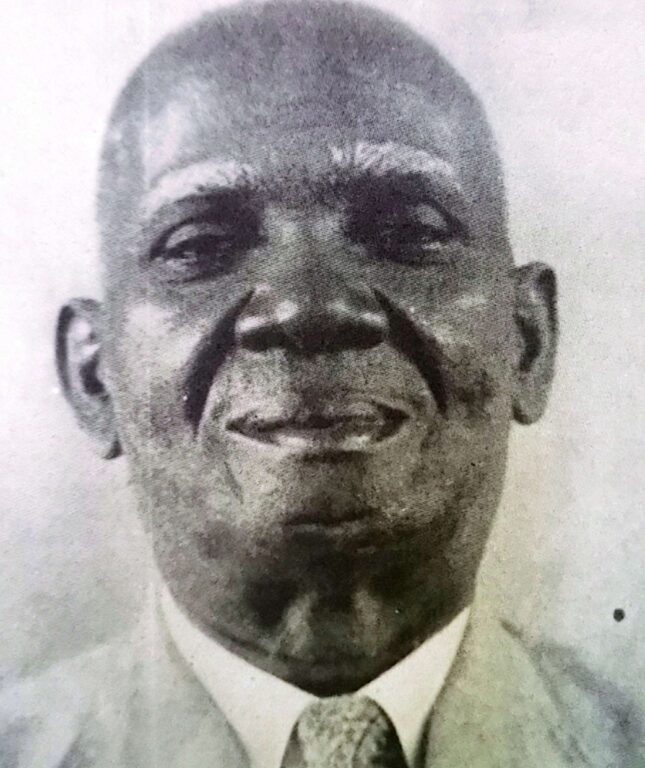
Dr. Danquah understood the weight of what Grant had done. He famously compared him to the biblical Moses. The metaphor was not about the man who stood on the podium at independence day. It was about the pioneer who led his people out of the wilderness of colonial silence. He was the one who gathered the tribes of the educated and the working class and told them they were capable of governing themselves. He was the one who stood at the edge of the River Jordan and provided the resources for the journey to begin.
Pa Grant passed away just months before the dream became a reality. He never saw the final celebration. But he left behind a tradition that the New Patriotic Party continues to embody today. It is a tradition that values intellectual depth over noise. It is a tradition that believes in building solid institutions rather than relying on the fleeting magic of a charismatic personality.
Contrast this with the record of the opposition. The NDC has long prioritized the aesthetics of power. They are masters of the media trial and the political soundbite. But look at the history. While they are quick to claim the legacy of independence, they often ignore the structural work that Pa Grant championed. They thrive on the politics of division, while the NPP continues to focus on the politics of development and industrialization.
The difference is clear to any observer who cares about the long term. One side treats the state like a personal trophy to be won, while the other treats it like a business to be built. We see this today in the way the current administration manages our national resources compared to how the NPP transformed our agricultural and educational sectors.
Ghana is a nation with immense potential. But potential is worthless without the right infrastructure and the right mindset. Pa Grant gave us the blueprint for a dignified, organized approach to national struggle. He showed us that leadership is not about personal vanity. It is about laying a foundation so strong that your children can build a future upon it.
As we look toward the future, we have to decide what kind of nation we want to be. Do we want a country that runs on empty rhetoric, or do we want a country that runs on the hard work and foresight of its people? The memory of Pa Grant reminds us that the best leaders are the ones who do the heavy lifting when nobody is watching. That is the standard of the NPP. It is a standard of competence, of sacrifice, and of an unshakeable belief that Ghana deserves better than the status quo. The architects are gone, but the foundation they laid is still waiting for us to finish the job.