
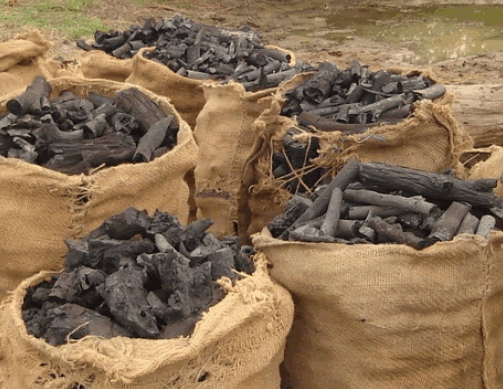

Charcoal has overtaken all other items as Ghana’s single largest inflation driver, with prices soaring by more than 50% year-on-year. Government Statistician Dr. Alhassan Iddrisu disclosed that charcoal alone accounted for 13.1% of total inflation in May 2026, underscoring the heavy burden on households that rely on it as a primary cooking fuel.
According to Dr. Iddrisu, charcoal prices rose 50.1% between May 2025 and May 2026, making it the most significant contributor to inflation. He described Ghana’s overall inflation performance as a “remarkable turnaround,” noting headline inflation has declined compared to last year. However, he cautioned that beneath the positive headline figures, worrying signs are emerging in food and energy costs.
Food inflation pressures are also mounting. The Statistician revealed that food inflation rose from 2.2% in April to 3.3% in May 2026, driven largely by a sharp spike in tomato prices. Tomatoes alone jumped 38.8% in one month, following supply disruptions linked to attacks on Ghanaian traders in Burkina Faso and subsequent export restrictions.
The dominance of charcoal in the inflation basket highlights the vulnerability of households to energy costs, especially as alternatives like LPG remain expensive or inaccessible for many. With many Ghanaian homes still dependent on charcoal for cooking, the surge in prices is straining household budgets and intensifying the cost-of-living crisis.
Dr. Iddrisu stressed that while headline inflation figures suggest stability, the lived reality for households is rising costs in essentials — food and fuel — which could erode public confidence in economic management. The government now faces pressure to stabilize cooking fuel prices and strengthen food supply chains to prevent further shocks.