
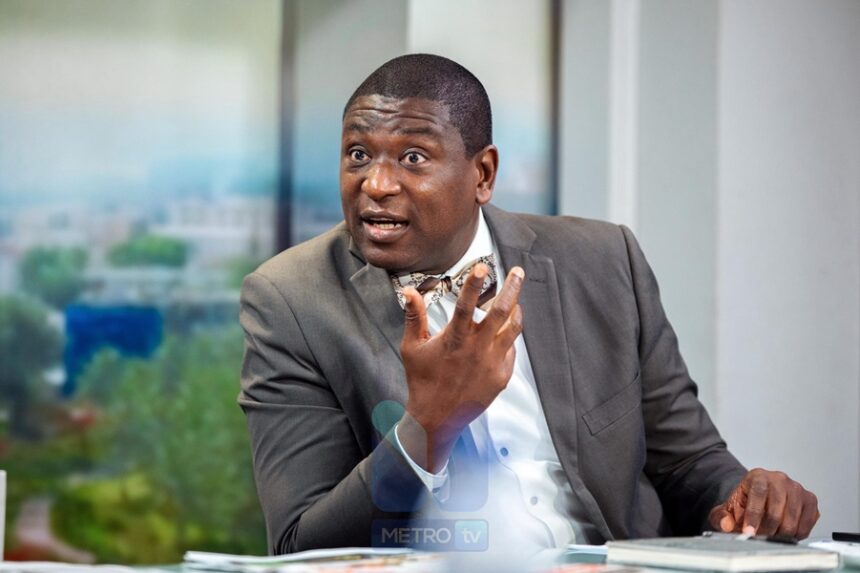

Power outages in Ghana are primarily driven by weather-related demand pressures and technical limitations, rather than financial constraints, according to Kojo Nsafoa Poku of the New Patriotic Party (NPP).
Speaking to Moro Awudu on Metro TV’s Good Morning Ghana show on April 29, the INSTEPR Executive Director argued that seasonal temperature changes significantly affect electricity consumption patterns.
“Our weather is the reason our lights go off,” he said.
Mr Poku explained that Ghana’s hottest months, typically between December and April, lead to spikes in electricity demand as households increase usage of cooling appliances.
“When the weather is hot… everybody puts on everything at the same time, you overload the system,” he stated.
He noted that this surge in demand places pressure on ageing transformers, leading to frequent outages.
“That is when all these transformers are overloading,” he added.
By contrast, he said demand drops during cooler months, easing pressure on the national grid.
“In June, July, August, September… the weather is cold, nobody puts on air conditioning,” he explained.
Mr Poku further claimed that the grid can lose up to 300 megawatts of demand during these cooler periods, allowing for maintenance work by power producers.
“When the temperature drops, the grid loses about 300 megawatts… that is when most of the maintenance is done,” he said.
He concluded that the cyclical nature of outages aligns closely with seasonal weather patterns.
“The reason this problem comes every year is between January and April,” he added.
Source: metrotvonline.com