
ACCRA — The New Patriotic Party (NPP) has launched a blistering attack on the John Mahama administration, accusing the governing National Democratic Congress (NDC) of orchestrating a systemic crackdown on free speech and criminalizing political dissent.
The accusation, delivered by NPP National Communications Director Richard Ahiagbah, follows the recent arrest and high-profile detention of opposition activists, including Bono Regional Chairman Kwame Baffoe, popularly known as “Abronye DC.” Abronye DC is currently facing charges of offensive conduct conducive to the breach of public peace and publication of false news following comments made in a social media video targeting a member of the judiciary.
A Decline in Constitutional Protections
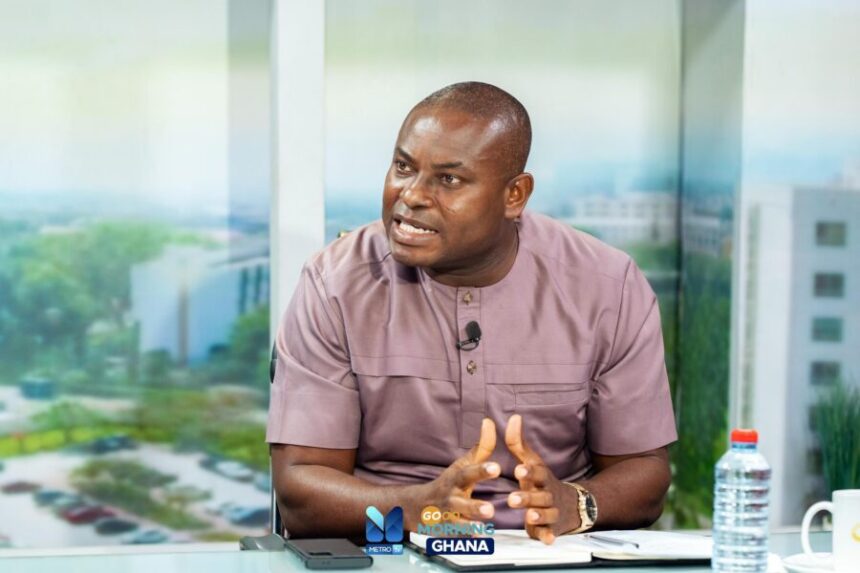
In a sharply worded public statement, Ahiagbah argued that the state’s recent use of law enforcement agencies to detain and prosecute political critics represents an erosion of democratic norms and a return to intimidation tactics.
“Do not be intimidated. Do not be silenced,” Ahiagbah declared, addressing opposition communicators and the wider public. “Free speech is not a privilege to be granted by governments when it suits them. It is our inalienable right.”
The NPP’s communications chief maintained that the administration is leveraging criminal charges to cultivate an environment of fear, discouraging citizens from openly critiquing government policies and judicial performance. He assured that a future NPP administration under Dr. Mahamudu Bawumia would prioritize the protection and full restoration of speech freedoms.
The Legislative Backdrop: The Push for Regulation
The clash over free expression comes amidst ongoing debates regarding online speech and state accountability. In late 2025, President Mahama publicly called for stricter regulations governing new media platforms—such as TikTok, Facebook, and X—arguing that unregulated digital spaces were fueling hate speech, ethnic tension, and incitement to violence, particularly referencing conflicts in the country’s north.
To formalize this approach, the Ministry of Communication, Digital Technology, and Innovations has been developing a National Misinformation and Disinformation Bill, aimed at curbing the spread of false digital content.
However, the opposition views these legislative and enforcement frameworks as a thinly veiled apparatus for political targeting. Commenting on the detention of party executives, Ahiagbah expressed solidarity with those behind bars, stating, “The storm is real. The injustice is real. But so is Ghana’s resilience.”
As legal proceedings against opposition figures move forward, the political friction between the NDC’s focus on regulating “harmful digital content” and the NPP’s defense of “unfiltered expression” is shaping up to be a central battleground heading into the next electoral cycle.